Explore Rehab and Mental Health Treatment Approaches
Explore therapy models, counseling methods, medication-supported care, and wellness approaches used in behavioral health and addiction treatment.
Treatment Approaches
Popular Treatment Approaches
Use these quick links to find common approaches, or search the full list below.

1-on-1 Counseling
One-on-one counseling gives clients private time with a counselor or therapist to discuss substance use, mental health s... Show more
View Centers
Acceptance and Commitment Therapy (ACT)
ACT helps clients notice difficult thoughts and emotions without being controlled by them. It may support people working... Show more
View Centers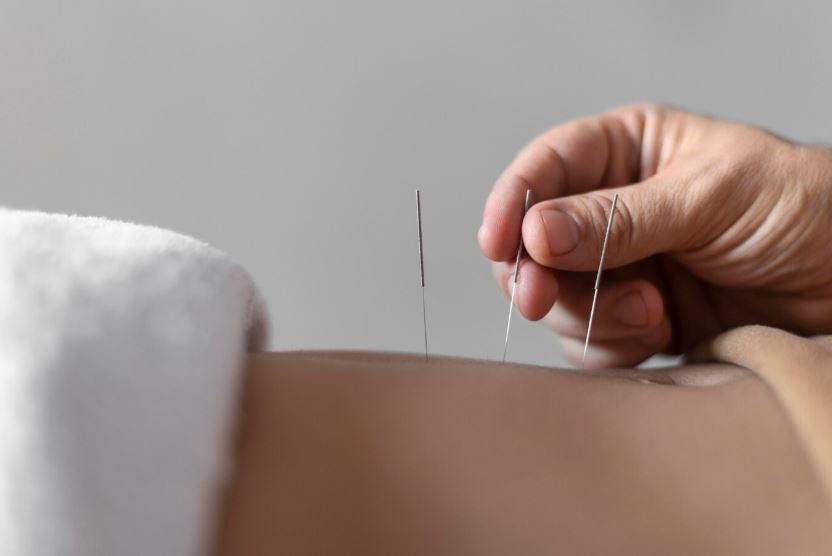
Acupuncture
Acupuncture is a complementary therapy that involves stimulating specific points on the body. Some programs may use it a... Show more
View Centers
Adult-Child Therapy
Adult-child therapy focuses on unresolved family patterns, childhood experiences, and relationship dynamics that may aff... Show more
View CentersAll Treatment Approaches
Read a simple explanation, then choose View Centers to browse treatment center profiles filtered by that approach.
1-on-1 Counseling
One-on-one counseling gives clients private time with a counselor or therapist to discuss substance use, mental health symptoms, goals, triggers, and ... Show more
View Centers
Acceptance and Commitment Therapy (ACT)
ACT helps clients notice difficult thoughts and emotions without being controlled by them. It may support people working on substance use, anxiety, de... Show more
View Centers
Acupuncture
Acupuncture is a complementary therapy that involves stimulating specific points on the body. Some programs may use it as supportive care for stress, ... Show more
View Centers
Adult-Child Therapy
Adult-child therapy focuses on unresolved family patterns, childhood experiences, and relationship dynamics that may affect adult behavior. It may be ... Show more
View Centers
Adventure Therapy
Adventure therapy uses structured outdoor or activity-based experiences to build confidence, communication, problem-solving, and emotional regulation.... Show more
View Centers
Animal Therapy
Animal-assisted therapy uses supervised interaction with animals to support emotional regulation, trust, stress reduction, and connection. It may be h... Show more
View Centers
Aromatherapy
Aromatherapy uses scents from plant-based oils to support relaxation or stress reduction. It should be described as a wellness or comfort service, not... Show more
View Centers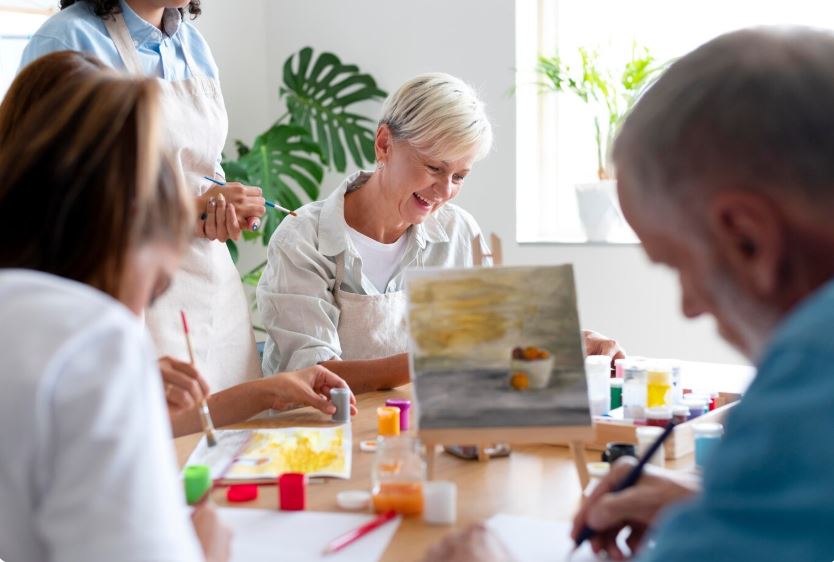
Art Therapy
Art therapy uses creative activities to help clients express emotions, process experiences, and explore thoughts that may be difficult to discuss dire... Show more
View Centers
Attachment-Based Family Therapy
Attachment-based family therapy focuses on repairing trust, communication, and emotional connection within families. It may be used when family confli... Show more
View Centers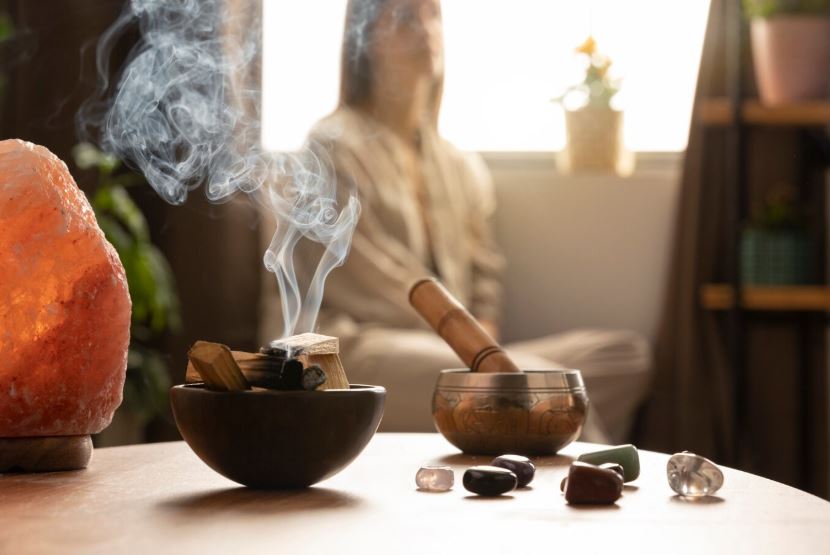
Ayurveda
Ayurveda is a traditional wellness system that may include lifestyle, nutrition, and mind-body practices. In treatment directories, it should be prese... Show more
View Centers
Biochemical Restoration
Biochemical restoration usually refers to nutrition, lab testing, supplementation, or wellness planning intended to support physical stabilization. Be... Show more
View Centers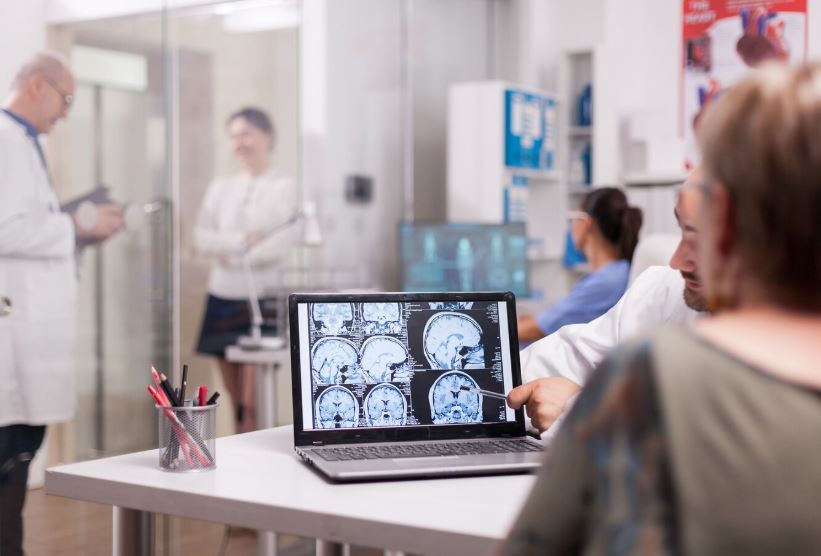
Biofeedback
Biofeedback uses sensors or monitoring tools to help clients understand and regulate physical responses such as breathing, muscle tension, or stress. ... Show more
View Centers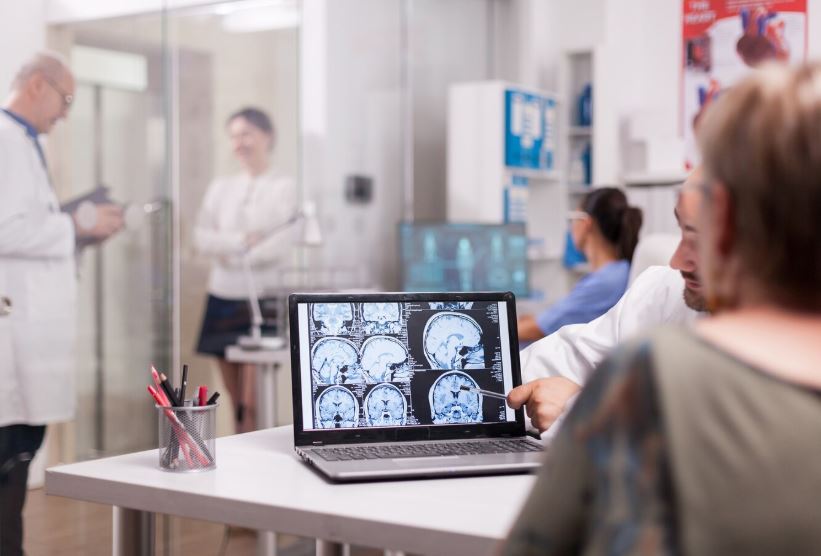
Body Image Therapy
Body image therapy helps clients address negative beliefs, distress, or behaviors related to appearance and self-worth. It may be relevant for people ... Show more
View Centers
Canine Therapy
Canine therapy is a form of animal-assisted support involving trained dogs. It may help reduce stress, support emotional connection, and create a calm... Show more
View Centers
Cognitive Behavioral Therapy
CBT helps people identify thought and behavior patterns that may contribute to substance use, anxiety, depression, or relapse risk. Programs may use i... Show more
View Centers
Couples Counseling
Couples counseling helps partners address communication, trust, boundaries, conflict, and the effect of substance use or mental health symptoms on the... Show more
View Centers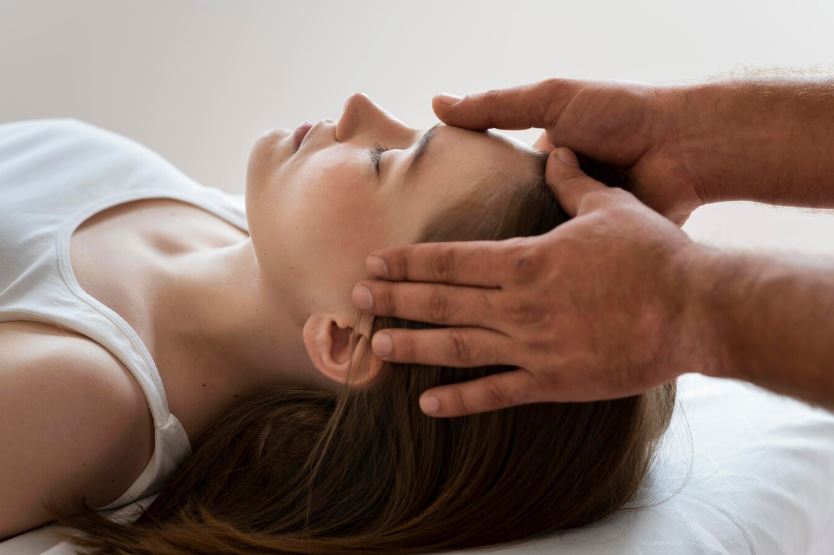
Craniosacral Therapy
Craniosacral therapy is a gentle bodywork approach sometimes offered for relaxation or stress support. It should be listed as a complementary wellness... Show more
View Centers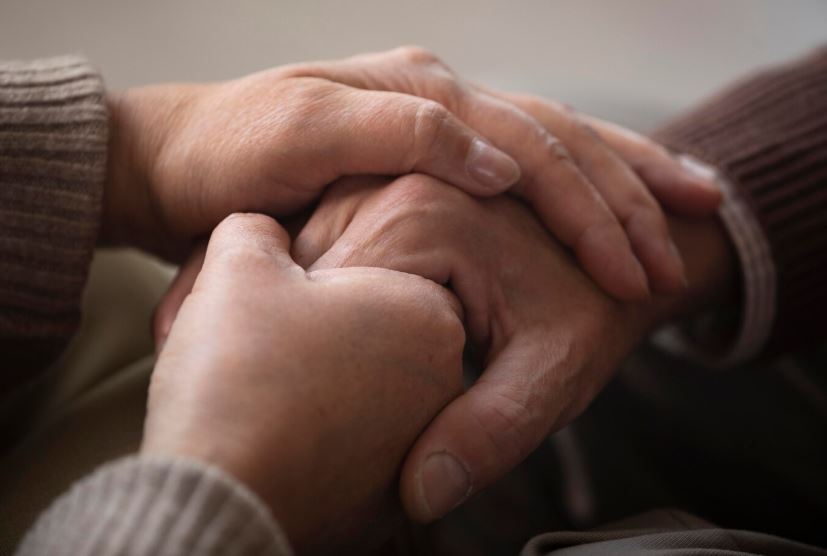
Cryotherapy
Cryotherapy exposes the body to very cold temperatures for short periods and is usually marketed as a wellness or recovery service. It should be descr... Show more
View Centers
Dance Therapy
Dance or movement therapy uses body movement to support emotional expression, body awareness, and stress reduction. It may be helpful as a supportive ... Show more
View Centers
Dialectical Behavior Therapy
DBT teaches skills for emotion regulation, distress tolerance, mindfulness, and communication. It may support people with intense emotions, trauma sym... Show more
View Centers
Didactic Group Therapy
Psychoeducational group therapy uses structured teaching and group discussion to help clients understand addiction, mental health symptoms, coping ski... Show more
View Centers
Dolphin Therapy
Dolphin therapy is a highly specialized animal-assisted experience sometimes marketed as supportive or experiential care. It should not be featured as... Show more
View Centers
Elephant Therapy
Elephant therapy is a niche animal-assisted or experiential service offered by a small number of programs. It should be treated as a specialized suppo... Show more
View Centers
Equine Therapy
Equine therapy uses supervised activities with horses to support emotional awareness, trust, boundaries, communication, and confidence. It is often us... Show more
View Centers
Experiential Therapy
Experiential therapy uses structured activities, role-play, movement, art, or outdoor experiences to help clients process emotions and practice new sk... Show more
View Centers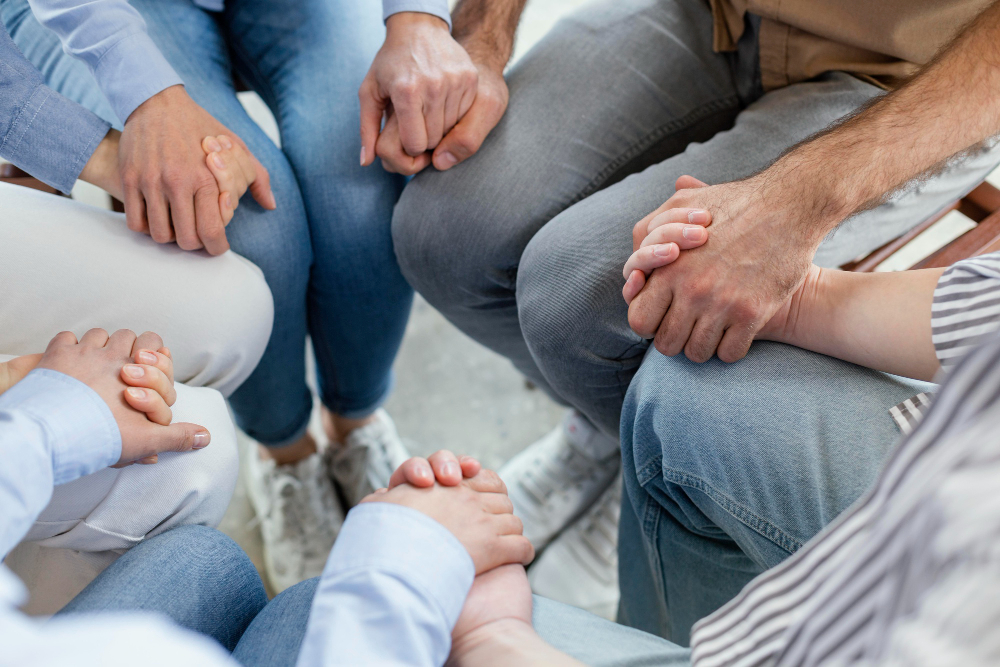
Exposure Therapy
Exposure therapy helps clients gradually face feared situations, memories, or triggers in a structured and clinically supervised way. It is commonly a... Show more
View Centers
Expressive Arts
Expressive arts therapy uses creative methods such as art, writing, music, movement, or drama to help clients explore emotions and experiences. It is ... Show more
View Centers
Eye Movement Therapy (EMDR)
EMDR is a structured therapy often used for trauma-related symptoms and distressing memories. In treatment settings, it may support clients whose subs... Show more
View Centers
Family Therapy
Family therapy helps clients and loved ones address communication, boundaries, conflict, support systems, and the impact of substance use or mental he... Show more
View Centers
Gestalt Therapy
Gestalt therapy focuses on present-moment awareness, personal responsibility, and emotional processing. It may be used to help clients understand patt... Show more
View Centers
Group Therapy
Group therapy brings clients together in a structured setting to discuss recovery, coping skills, accountability, relationships, and shared challenges... Show more
View Centers
Horticultural Therapy
Horticultural therapy uses gardening or plant-based activities to support routine, responsibility, mindfulness, and stress reduction. It is usually of... Show more
View Centers
Hypnotherapy
Hypnotherapy uses guided relaxation and focused attention to support behavior change, stress reduction, or symptom management. Users should ask whethe... Show more
View Centers
Ibogaine Treatment
Ibogaine is a psychoactive substance sometimes promoted for addiction treatment, but it carries serious safety concerns and is not a standard treatmen... Show more
View Centers
Internal Family Systems Therapy
IFS helps clients explore different parts of themselves, including protective patterns, emotional wounds, and inner conflict. It may be used for traum... Show more
View Centers
Interpersonal Therapy
Interpersonal therapy focuses on relationships, role transitions, grief, communication, and social support. It may help clients whose depression, anxi... Show more
View Centers
Introduction to the 12 Step Program
An introduction to the Twelve Step model helps clients understand peer-support programs, meetings, sponsorship, accountability, and recovery principle... Show more
View Centers
Ketamine Therapy
Ketamine-related services are sometimes offered for depression or other mental health concerns, but regulation, supervision, and clinical use vary. Us... Show more
View Centers
Life Skills
Life skills programming helps clients build practical routines for daily stability, communication, employment readiness, budgeting, time management, a... Show more
View Centers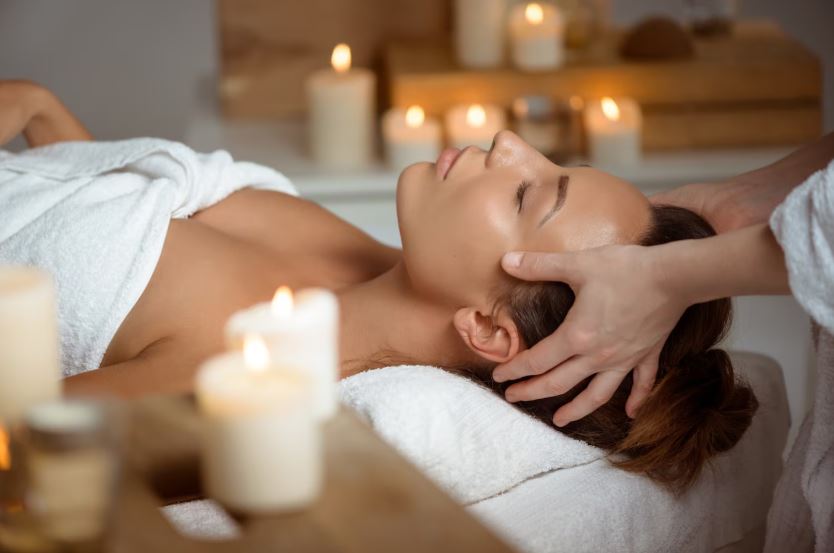
Massage Therapy
Massage therapy is a complementary service that may support relaxation, stress reduction, body awareness, or general wellness. It should be presented ... Show more
View Centers
Meaning-Centered Therapy
Meaning-centered therapy helps clients explore purpose, values, identity, and sources of meaning during difficult life changes. It may support people ... Show more
View Centers
Medication-Assisted Treatment
MAT uses approved medications with counseling or recovery support when clinically appropriate. It is especially important for opioid use disorder and ... Show more
View Centers
Meditation & Mindfulness
Meditation and mindfulness practices help clients build present-moment awareness, manage stress, and respond to cravings or emotions with more intenti... Show more
View Centers
Mindfulness Therapy
Mindfulness therapy uses attention, breathing, and awareness practices to help clients notice thoughts, cravings, and emotions without reacting automa... Show more
View Centers
Mindfulness-Based Cognitive Therapy
MBCT combines mindfulness practices with cognitive therapy skills. It may help clients recognize negative thought patterns, reduce emotional reactivit... Show more
View Centers
Motivational Interviewing
MI helps clients explore ambivalence and strengthen their own reasons for change. It is commonly used when someone is uncertain, resistant, or still b... Show more
View Centers
Music Therapy
Music therapy uses music-based activities such as listening, songwriting, rhythm, or discussion to support emotional expression, coping, and connectio... Show more
View Centers
Narrative Therapy
Narrative therapy helps clients examine the stories they hold about themselves, their past, and their recovery. It may support people working through ... Show more
View Centers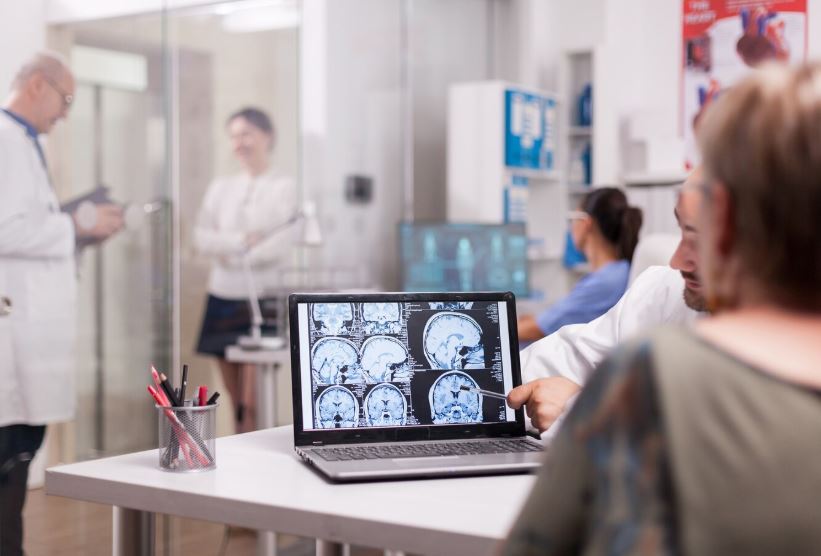
Neurofeedback
Neurofeedback uses real-time feedback about brain activity to help clients practice self-regulation. It may be offered for attention, stress, trauma s... Show more
View Centers
Nutrition Counseling
Nutrition counseling helps clients address eating patterns, physical recovery, energy, and health habits that may be affected by substance use, stress... Show more
View Centers
Online Therapy
Online therapy allows clients to receive counseling or mental health support through secure video, phone, or digital platforms. It may be useful for o... Show more
View Centers
Pastoral Counseling
Pastoral counseling integrates emotional support with spiritual or faith-informed guidance. It may be helpful for clients who want recovery support co... Show more
View Centers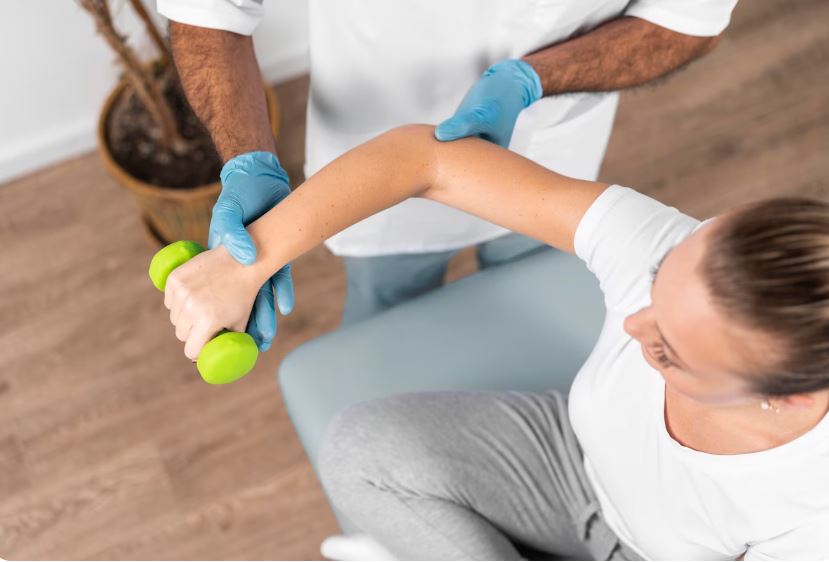
Physiotherapy
Physiotherapy focuses on movement, strength, mobility, pain, and physical function. In treatment settings, it may support clients recovering from inju... Show more
View Centers
Play Therapy
Play therapy uses structured play to help children express feelings, process experiences, and develop coping skills. It is most relevant for programs ... Show more
View Centers
Psychodrama Therapy
Psychodrama therapy uses role-play and guided dramatic exercises to help clients explore relationships, emotions, conflict, and past experiences. It m... Show more
View Centers
Psychoeducation
Psychoeducation helps clients understand addiction, mental health symptoms, medications, coping skills, relapse warning signs, and treatment expectati... Show more
View Centers
Rational Emotive Behavior Therapy
REBT helps clients identify rigid or harmful beliefs and replace them with more balanced thinking. It may support emotional regulation, behavior chang... Show more
View Centers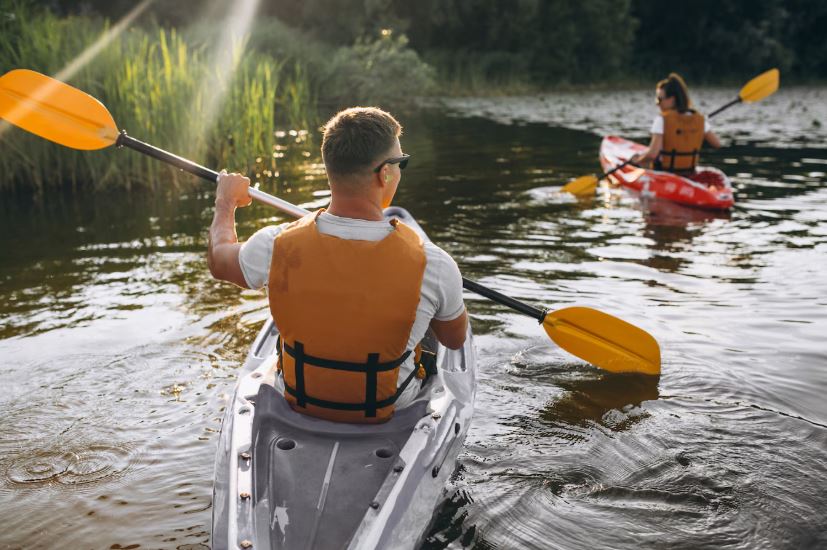
Recreation Therapy
Recreation therapy uses structured recreational activities to support social connection, stress reduction, confidence, and healthy routines. It is oft... Show more
View Centers
Reiki
Reiki is a complementary energy-based practice sometimes used for relaxation or stress support. It should be described as a wellness option only and n... Show more
View Centers
Relapse Prevention Counseling
Relapse prevention counseling helps clients identify triggers, warning signs, high-risk situations, and coping strategies. It is commonly used to supp... Show more
View Centers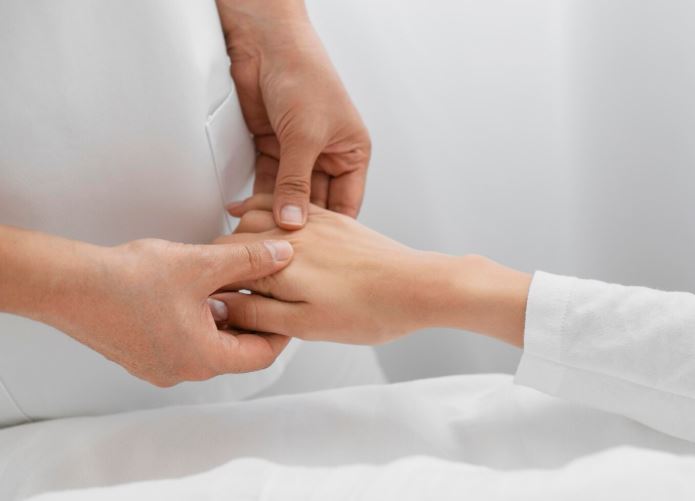
Relaxation Therapy
Relaxation therapy uses breathing, guided imagery, muscle relaxation, or calming exercises to reduce stress and physical tension. It may support anxie... Show more
View Centers
Seeking Safety
Seeking Safety is a structured counseling model designed for people with trauma and substance use concerns. It focuses on coping skills, safety, groun... Show more
View Centers
Solution-Focused, Goal-Oriented Therapy
Solution-focused therapy helps clients identify strengths, set practical goals, and build on what is already working. It may be useful for clients who... Show more
View Centers
Somatic Experiencing
Somatic Experiencing is a body-oriented approach that focuses on physical sensations and nervous system regulation. It may be used as supportive traum... Show more
View Centers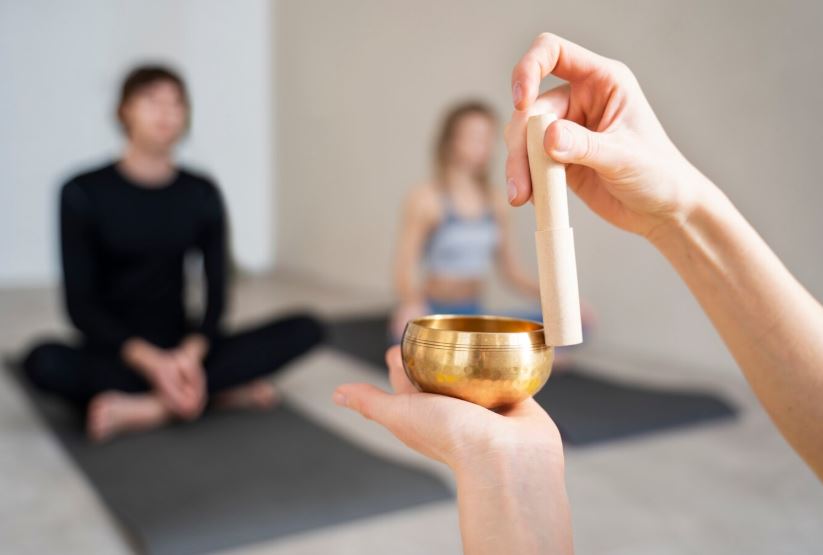
Sound Therapy
Sound therapy uses music, tones, vibration, or guided listening experiences to support relaxation and emotional regulation. It should be listed as a c... Show more
View Centers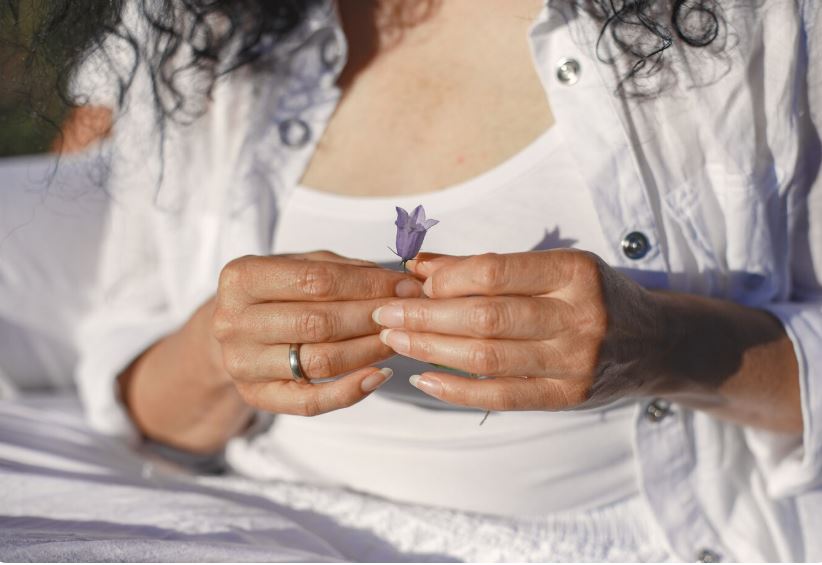
Spiritual Care
Spiritual care supports clients who want to include faith, meaning, values, or spiritual reflection in recovery. It may be offered through chaplaincy,... Show more
View Centers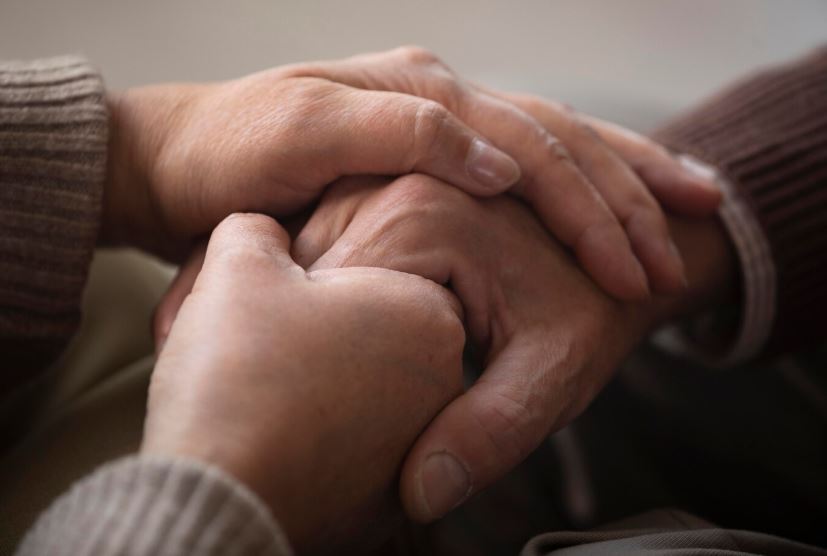
Spontaneous Healing Intra -systemic Process
Spontaneous Healing Intra-systemic Process appears to be a highly specialized or program-specific method. Users should ask providers what the approach... Show more
View Centers
Stress Management
Stress management teaches clients practical tools to reduce emotional and physical stress, including breathing, planning, coping skills, sleep routine... Show more
View Centers
Surf Therapy
Surf therapy uses supervised ocean-based activity to support confidence, emotional regulation, physical activity, and connection. It should be describ... Show more
View Centers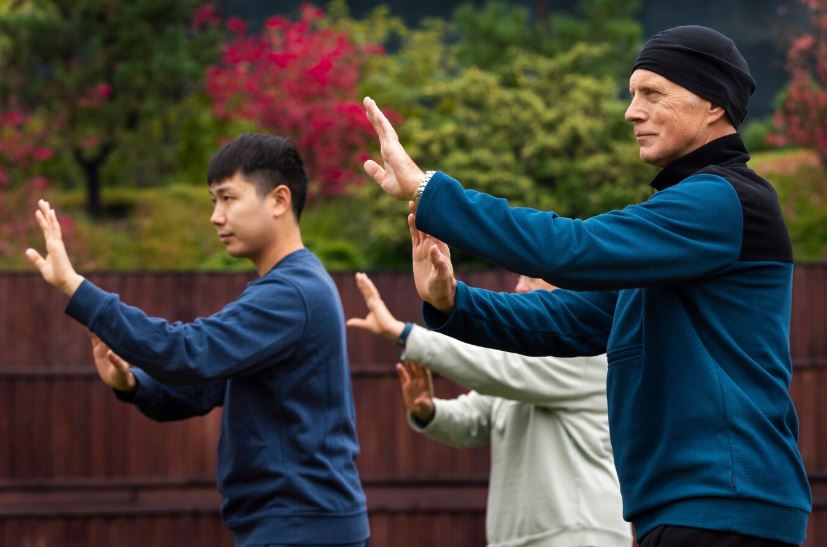
Tai Chi
Tai Chi is a gentle movement practice that combines balance, breathing, and focused attention. It may be offered as supportive wellness care for stres... Show more
View Centers
The Sinclair Method
TSM uses naltrexone before drinking as part of a medically supervised approach for alcohol use disorder. Users should confirm medication eligibility, ... Show more
View Centers
Transcranial Magnetic Stimulation
TMS is a noninvasive brain stimulation treatment used in some mental health settings, especially for depression when appropriate. Users should confirm... Show more
View Centers
Trauma-Specific Therapy
Trauma-specific therapy focuses directly on the effects of trauma, including triggers, avoidance, emotional distress, and safety. It may be important ... Show more
View Centers
Twelve Step Facilitation
TSF helps clients understand and participate in Twelve Step recovery support. It may be used alongside counseling, medication, relapse prevention, and... Show more
View Centers
Weight Loss
Weight loss services may include nutrition, movement, coaching, or medical support for physical health goals. In a treatment directory, this should be... Show more
View Centers
Yoga
Yoga combines movement, breathing, and mindfulness practices that may support stress reduction, emotional regulation, sleep, and general wellness. It ... Show more
View CentersLooking for treatment center profiles?
Select View Centers on any treatment approach card to browse treatment centers filtered by that approach.
For Providers
Manage your facility profile or explore advertising options for greater visibility.