
Hitchcock Center for Women
About Hitchcock Center for Women

Insurances


Amenities

Allow Cell Phones
Some centers allow cell phones during treatment, while others limit phone use during certain phases of care. Users should confirm the facility’s phone policy before admission.

Fitness Center
A fitness center may support exercise, routine, stress reduction, and overall wellness during treatment. Users should confirm available equipment, supervision, and any medical restrictions.

Lounge
A lounge provides shared space for rest, peer connection, reading, or supervised downtime. The setting and rules may vary by program structure and level of care.

Air-Conditioned Rooms
Air-conditioned rooms help support comfort during residential or longer-stay treatment, especially in warm climates or facilities where temperature control affects sleep and daily routine.

Laundry Service
Laundry service can support comfort and daily routine during residential or longer-stay care. Users should confirm whether laundry is self-service, staff-supported, included, or charged separately.

Childcare for Clients Children
Childcare support may help parents access treatment while managing family responsibilities. Availability, age limits, supervision, scheduling, and cost should be confirmed directly with the center.
Accreditations

CARF
Who We Treat

Pregnant Women

Women only

Women
Treatments

1-on-1 Counseling
One-on-one counseling gives clients private time with a counselor or therapist to discuss substance use, mental health symptoms, goals, triggers, and recovery planning. It is commonly used throughout treatment to create a more personalized care plan.

Adult-Child Therapy
Adult-child therapy focuses on unresolved family patterns, childhood experiences, and relationship dynamics that may affect adult behavior. It may be used when early family experiences are connected to emotional distress, attachment issues, or recovery challenges.

Art Therapy
Art therapy uses creative activities to help clients express emotions, process experiences, and explore thoughts that may be difficult to discuss directly. It is often used as a supportive approach in mental health, trauma, and substance use treatment settings.

Group Therapy
Group therapy brings clients together in a structured setting to discuss recovery, coping skills, accountability, relationships, and shared challenges. It is commonly used in addiction and mental health treatment at many levels of care.

Life Skills
Life skills programming helps clients build practical routines for daily stability, communication, employment readiness, budgeting, time management, and recovery planning. It is often used in residential, PHP, IOP, sober living, and transitional care.

Music Therapy
Music therapy uses music-based activities such as listening, songwriting, rhythm, or discussion to support emotional expression, coping, and connection. It may be helpful as a supportive service for trauma, mood symptoms, stress, or recovery engagement.

Twelve Step Facilitation
TSF helps clients understand and participate in Twelve Step recovery support. It may be used alongside counseling, medication, relapse prevention, and other treatment services.
Level Of Cares

Detox

Outpatient Treatment

Sober Living
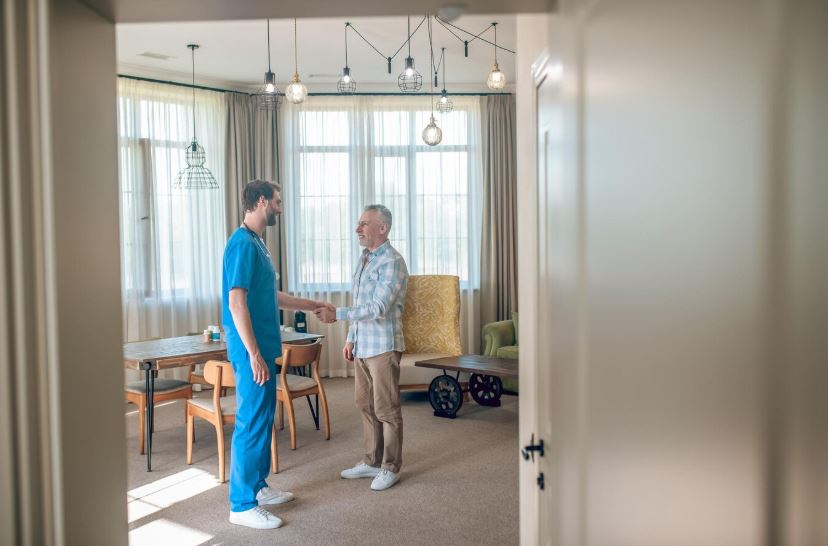
Residential Treatment

Co-Occurring Mental Health Treatment
Conditions

Trauma
Trauma refers to emotional or psychological distress after a harmful, frightening, or overwhelming experience. It may affect mood, sleep, trust, relationships, physical comfort, and a person’s sense of safety. Related support may include trauma-informed therapy, counseling, EMDR, outpatient care, intensive outpatient care, residential treatment, or co-occurring substance use support when relevant.
Substances We Treat

Alcohol
Alcohol use disorder can affect health, relationships, work, safety, and mental health. Treatment may include counseling, behavioral therapies, recovery support, and FDA-approved medications when clinically appropriate.

Co-Occurring Disorders
Co-occurring disorders involve both a substance use disorder and a mental health disorder. Treatment may coordinate addiction care, mental health therapy, medication management, and recovery support so both concerns are addressed together.

Drug Addiction / Substance Use Disorder
Drug addiction, or substance use disorder, involves continued substance use despite harmful consequences. Treatment may include assessment, counseling, behavioral therapies, medications for some substance use disorders, relapse prevention, and recovery support.