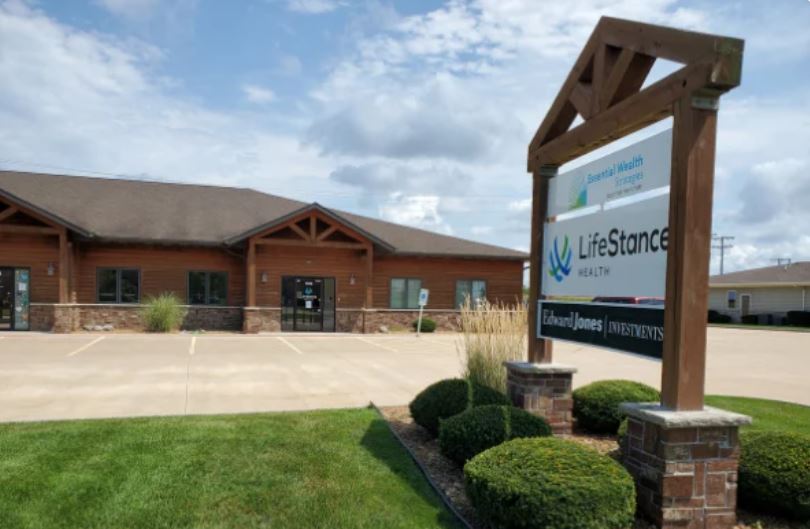
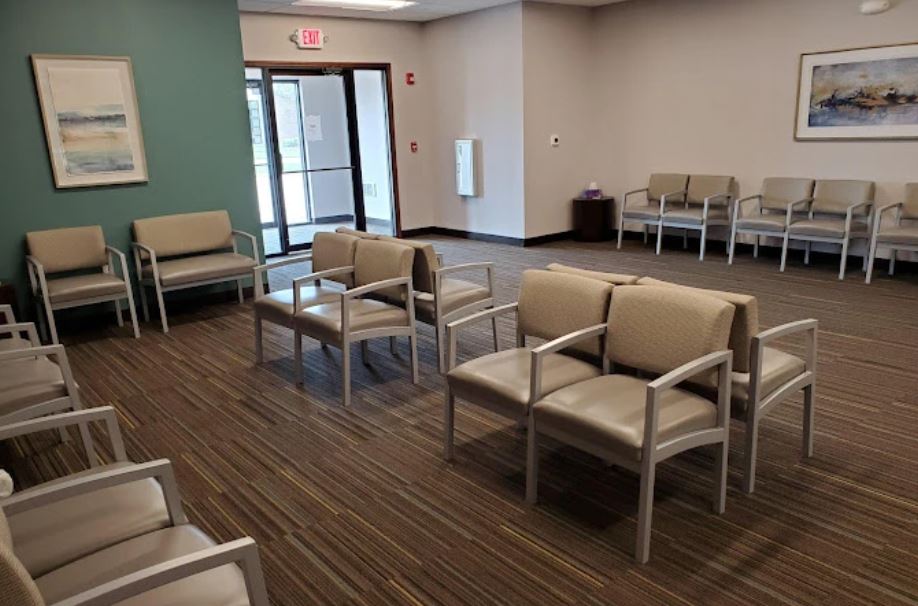
LifeStance Health Springfield
About LifeStance Health Springfield

Insurances

Aetna
BlueCross BlueShield
Carelon Behavioral Health
Cigna

ComPsych

Humana

Optum
Tricare

United Healthcare
Who We Treat

Adolescents

Boys

Children

Couples

Girls

LGBTQ+

Neurodivergent

Older Adults

Veterans

Men and Women

Men

Women

Mild Disabilities
Treatments

1-on-1 Counseling
One-on-one counseling gives clients private time with a counselor or therapist to discuss substance use, mental health symptoms, goals, triggers, and recovery planning. It is commonly used throughout treatment to create a more personalized care plan.

Acceptance and Commitment Therapy (ACT)
ACT helps clients notice difficult thoughts and emotions without being controlled by them. It may support people working on substance use, anxiety, depression, trauma, or major life changes by helping them act in line with personal values.
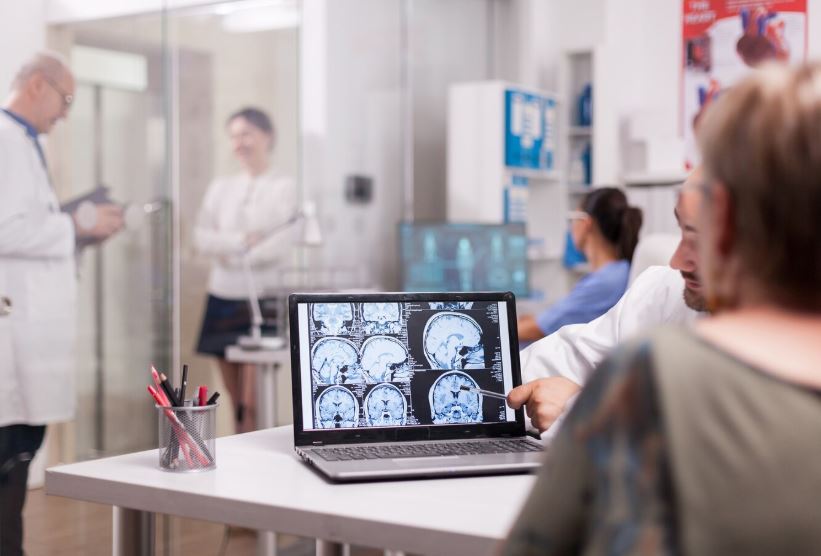
Biofeedback
Biofeedback uses sensors or monitoring tools to help clients understand and regulate physical responses such as breathing, muscle tension, or stress. It may be used as supportive care for anxiety, stress management, trauma symptoms, or emotional regulation.

Cognitive Behavioral Therapy
CBT helps people identify thought and behavior patterns that may contribute to substance use, anxiety, depression, or relapse risk. Programs may use it to build coping skills and practical recovery strategies.

Couples Counseling
Couples counseling helps partners address communication, trust, boundaries, conflict, and the effect of substance use or mental health symptoms on the relationship. It may be used when recovery involves relationship repair or partner support.

Dialectical Behavior Therapy
DBT teaches skills for emotion regulation, distress tolerance, mindfulness, and communication. It may support people with intense emotions, trauma symptoms, self-destructive patterns, or co-occurring mental health concerns.

Eye Movement Therapy (EMDR)
EMDR is a structured therapy often used for trauma-related symptoms and distressing memories. In treatment settings, it may support clients whose substance use or mental health symptoms are connected to traumatic experiences.

Family Therapy
Family therapy helps clients and loved ones address communication, boundaries, conflict, support systems, and the impact of substance use or mental health concerns on the household. It is an important treatment option when recovery involves family relationships.

Group Therapy
Group therapy brings clients together in a structured setting to discuss recovery, coping skills, accountability, relationships, and shared challenges. It is commonly used in addiction and mental health treatment at many levels of care.

Mindfulness Therapy
Mindfulness therapy uses attention, breathing, and awareness practices to help clients notice thoughts, cravings, and emotions without reacting automatically. It may support anxiety, depression, stress, trauma symptoms, and relapse prevention.

Narrative Therapy
Narrative therapy helps clients examine the stories they hold about themselves, their past, and their recovery. It may support people working through shame, identity, trauma, relationship stress, or long-standing negative self-beliefs.

Online Therapy
Online therapy allows clients to receive counseling or mental health support through secure video, phone, or digital platforms. It may be useful for outpatient care, continuing support, or people who need flexible access to treatment.
Play Therapy
Play therapy uses structured play to help children express feelings, process experiences, and develop coping skills. It is most relevant for programs serving children, adolescents, or families.

Solution-Focused, Goal-Oriented Therapy
Solution-focused therapy helps clients identify strengths, set practical goals, and build on what is already working. It may be useful for clients who need short-term, structured support around recovery, relationships, or life stability.
Level Of Cares

In-Home Treatment

Virtual Treatment
Conditions

ADHD / ADD
ADHD is a neurodevelopmental condition involving patterns of inattention, impulsivity, hyperactivity, organization difficulties, or time-management challenges. It may affect school, work, relationships, daily routines, and emotional regulation. Related support may include counseling, behavioral strategies, skills-based support, medication management when appropriate, outpatient care, or structured mental health treatment.

Anxiety
Anxiety involves excessive worry, fear, nervousness, or physical tension that can affect sleep, concentration, relationships, work, school, and daily responsibilities. Related support may include therapy, counseling, medication management when appropriate, outpatient care, intensive outpatient care, or structured mental health treatment depending on symptoms and needs.

Bipolar
Bipolar disorder is a mood disorder involving episodes of elevated or irritable mood and increased energy, along with episodes of depression. It may affect sleep, judgment, activity level, relationships, work, school, and safety. Related support may include psychiatric care, medication management, therapy, outpatient care, intensive outpatient care, day treatment, residential treatment, or inpatient stabilization when needed.

Chronic Pain Management
Chronic pain involves ongoing pain lasting for months or longer and may affect mobility, sleep, mood, work, relationships, and quality of life. Related support may include behavioral health counseling, pain-focused therapy, mindfulness-based support, medical coordination, outpatient care, or co-occurring substance use treatment when pain overlaps with medication, opioid, alcohol, or other substance concerns.

Depression
Depression is a mood condition involving persistent sadness, loss of interest, low energy, hopelessness, or changes in sleep, appetite, and concentration. It may affect daily functioning, relationships, school, work, and safety. Related support may include therapy, counseling, medication management when appropriate, crisis support when needed, outpatient care, intensive outpatient care, or structured mental health treatment.

Eating Disorders
Eating disorders involve disturbances in eating behavior, body image, weight concerns, or food-related thoughts and behaviors. They can affect physical health, mood, concentration, relationships, and daily functioning. Related support may include therapy, nutrition support, medical monitoring, family therapy, outpatient care, intensive outpatient care, day treatment, residential treatment, or inpatient care depending on severity.

Grief and Loss
Grief and loss describe emotional, physical, social, and mental reactions after losing someone or something important. Grief may affect mood, sleep, appetite, concentration, relationships, and daily routines. Related support may include grief counseling, therapy, support groups, outpatient care, or structured mental health treatment when grief is prolonged, traumatic, or connected with depression, trauma, or substance use.

Obsessive Compulsive Disorder (OCD)
OCD involves recurring unwanted thoughts, urges, or images and repetitive behaviors or mental acts that can become distressing or time-consuming. It may affect school, work, relationships, sleep, and daily routines. Related support may include specialized therapy, counseling, medication management when appropriate, outpatient care, intensive outpatient care, or structured mental health treatment.

Post-Traumatic Stress Disorder (PTSD)
PTSD is a trauma-related condition that may involve intrusive memories, nightmares, avoidance, mood changes, sleep problems, and feeling constantly on edge. It can affect relationships, work, school, safety, and daily routines. Related support may include trauma-focused therapy, EMDR, counseling, medication management when appropriate, and structured mental health or co-occurring treatment.

Schizophrenia
Schizophrenia is a serious mental health condition that can affect perception, thinking, communication, emotions, and functioning. Symptoms may include hallucinations, delusions, disorganized thoughts, or reduced motivation. Related support may include psychiatric care, medication management, therapy, case management, outpatient care, intensive outpatient care, residential treatment, or inpatient stabilization when needed.

Trauma
Trauma refers to emotional or psychological distress after a harmful, frightening, or overwhelming experience. It may affect mood, sleep, trust, relationships, physical comfort, and a person’s sense of safety. Related support may include trauma-informed therapy, counseling, EMDR, outpatient care, intensive outpatient care, residential treatment, or co-occurring substance use support when relevant.
Substances We Treat

Alcohol
Alcohol use disorder can affect health, relationships, work, safety, and mental health. Treatment may include counseling, behavioral therapies, recovery support, and FDA-approved medications when clinically appropriate.

Drug Addiction / Substance Use Disorder
Drug addiction, or substance use disorder, involves continued substance use despite harmful consequences. Treatment may include assessment, counseling, behavioral therapies, medications for some substance use disorders, relapse prevention, and recovery support.