
Amen Clinics New York
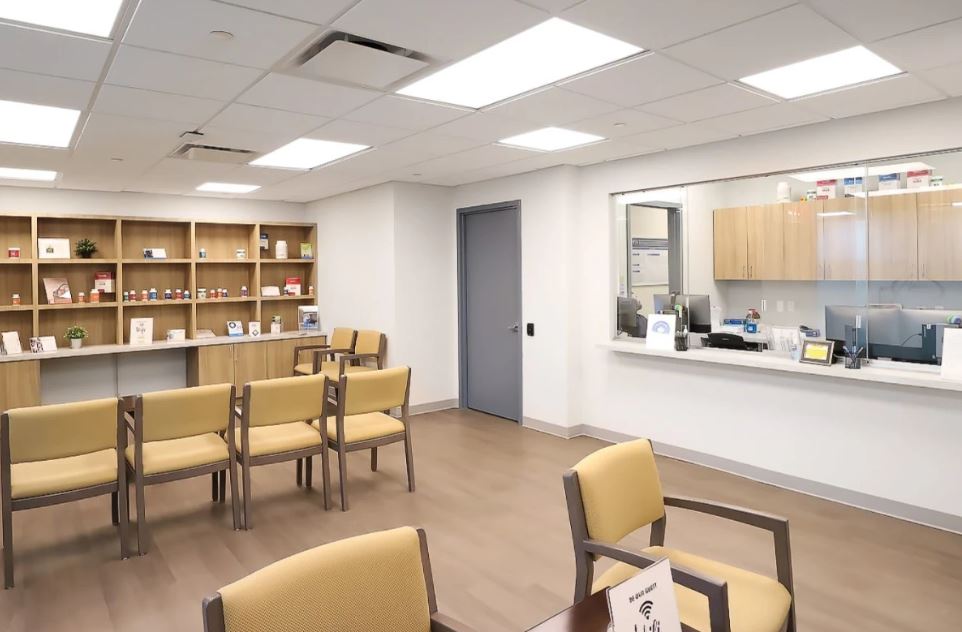
About Amen Clinics New York
Who We Treat

Adolescents

Boys

Children

Couples

Girls

Pregnant Women

Men and Women

Men

Women
Treatments

1-on-1 Counseling
One-on-one counseling gives clients private time with a counselor or therapist to discuss substance use, mental health symptoms, goals, triggers, and recovery planning. It is commonly used throughout treatment to create a more personalized care plan.

Cognitive Behavioral Therapy
CBT helps people identify thought and behavior patterns that may contribute to substance use, anxiety, depression, or relapse risk. Programs may use it to build coping skills and practical recovery strategies.

Couples Counseling
Couples counseling helps partners address communication, trust, boundaries, conflict, and the effect of substance use or mental health symptoms on the relationship. It may be used when recovery involves relationship repair or partner support.

Eye Movement Therapy (EMDR)
EMDR is a structured therapy often used for trauma-related symptoms and distressing memories. In treatment settings, it may support clients whose substance use or mental health symptoms are connected to traumatic experiences.

Family Therapy
Family therapy helps clients and loved ones address communication, boundaries, conflict, support systems, and the impact of substance use or mental health concerns on the household. It is an important treatment option when recovery involves family relationships.

Neurofeedback
Neurofeedback uses real-time feedback about brain activity to help clients practice self-regulation. It may be offered for attention, stress, trauma symptoms, or emotional regulation, but users should ask how it is supervised and what evidence supports its use for their concern.

Nutrition Counseling
Nutrition counseling helps clients address eating patterns, physical recovery, energy, and health habits that may be affected by substance use, stress, or mental health symptoms. It is often supportive within broader medical or behavioral health care.

Relapse Prevention Counseling
Relapse prevention counseling helps clients identify triggers, warning signs, high-risk situations, and coping strategies. It is commonly used to support ongoing recovery after detox, residential treatment, PHP, IOP, or outpatient care.
Level Of Cares

Outpatient Treatment

Licensed Primary Mental Health
Conditions

ADHD / ADD
ADHD is a neurodevelopmental condition involving patterns of inattention, impulsivity, hyperactivity, organization difficulties, or time-management challenges. It may affect school, work, relationships, daily routines, and emotional regulation. Related support may include counseling, behavioral strategies, skills-based support, medication management when appropriate, outpatient care, or structured mental health treatment.

Anger
Anger is a normal emotion that becomes a concern when it is intense, frequent, hard to control, or linked with conflict, aggression, unsafe behavior, or relationship problems. Related support may include counseling, CBT, DBT-informed skills, group therapy, family therapy, outpatient care, or structured mental health treatment when anger occurs with trauma, mood concerns, or substance use.

Anxiety
Anxiety involves excessive worry, fear, nervousness, or physical tension that can affect sleep, concentration, relationships, work, school, and daily responsibilities. Related support may include therapy, counseling, medication management when appropriate, outpatient care, intensive outpatient care, or structured mental health treatment depending on symptoms and needs.

Bipolar
Bipolar disorder is a mood disorder involving episodes of elevated or irritable mood and increased energy, along with episodes of depression. It may affect sleep, judgment, activity level, relationships, work, school, and safety. Related support may include psychiatric care, medication management, therapy, outpatient care, intensive outpatient care, day treatment, residential treatment, or inpatient stabilization when needed.

Depression
Depression is a mood condition involving persistent sadness, loss of interest, low energy, hopelessness, or changes in sleep, appetite, and concentration. It may affect daily functioning, relationships, school, work, and safety. Related support may include therapy, counseling, medication management when appropriate, crisis support when needed, outpatient care, intensive outpatient care, or structured mental health treatment.

Eating Disorders
Eating disorders involve disturbances in eating behavior, body image, weight concerns, or food-related thoughts and behaviors. They can affect physical health, mood, concentration, relationships, and daily functioning. Related support may include therapy, nutrition support, medical monitoring, family therapy, outpatient care, intensive outpatient care, day treatment, residential treatment, or inpatient care depending on severity.

Gambling
Gambling disorder involves repeated betting or wagering that continues despite financial, relationship, work, or emotional consequences. It may affect debt, trust, employment, legal issues, and family stability. Related support may include therapy, CBT, motivational interviewing, group support, outpatient care, intensive outpatient care, or residential care when gambling occurs with substance use or other mental health concerns.

Gaming
Gaming disorder involves impaired control over gaming, increased priority given to gaming, and continued gaming despite negative consequences. It may affect sleep, school, work, relationships, physical activity, and daily responsibilities. Related support may include counseling, CBT, family therapy, group therapy, outpatient care, or intensive outpatient care when gaming occurs with anxiety, depression, ADHD, or substance use concerns.

Internet Addiction
Internet addiction is a common term for problematic or compulsive online activity that interferes with sleep, school, work, relationships, health, or daily responsibilities. Related support may include counseling, CBT, family therapy, group therapy, outpatient care, or structured mental health treatment when internet use overlaps with anxiety, depression, ADHD, trauma, or substance use.

Narcissism
Narcissistic personality traits may involve a strong need for admiration, sensitivity to criticism, entitlement, self-focus, or difficulty recognizing others’ feelings. These patterns can affect relationships, work, conflict, and emotional wellbeing. Related support may include individual counseling, psychotherapy, relationship-focused therapy, outpatient care, or structured mental health treatment when symptoms cause distress or impairment.

Neurodiversity
Neurodiversity is a nonmedical term recognizing that people think, learn, communicate, and process information in different ways, including autism, ADHD, dyslexia, and related differences. It may affect school, work, communication, relationships, sensory needs, and daily routines. Related support may include skills-based counseling, family support, accommodations, outpatient care, or mental health treatment when anxiety, depression, trauma, or substance use concerns are also present.

Obsessive Compulsive Disorder (OCD)
OCD involves recurring unwanted thoughts, urges, or images and repetitive behaviors or mental acts that can become distressing or time-consuming. It may affect school, work, relationships, sleep, and daily routines. Related support may include specialized therapy, counseling, medication management when appropriate, outpatient care, intensive outpatient care, or structured mental health treatment.

Personality Disorders
Personality disorders involve long-term patterns in thoughts, emotions, behavior, identity, or relationships that cause distress or problems in functioning. They may affect relationships, work, boundaries, emotion regulation, and safety. Related support may include therapy, DBT-informed care, counseling, group therapy, outpatient care, intensive outpatient care, or residential treatment depending on severity and co-occurring needs.

Pornography Addiction
Pornography addiction is a common term for repetitive pornography use that feels difficult to control and contributes to distress, secrecy, relationship conflict, work problems, or daily-life impairment. Related support may include therapy, counseling, group support, relationship-focused therapy, outpatient care, or structured treatment when pornography use overlaps with compulsive sexual behavior, trauma, anxiety, depression, or substance use.

Post-Traumatic Stress Disorder (PTSD)
PTSD is a trauma-related condition that may involve intrusive memories, nightmares, avoidance, mood changes, sleep problems, and feeling constantly on edge. It can affect relationships, work, school, safety, and daily routines. Related support may include trauma-focused therapy, EMDR, counseling, medication management when appropriate, and structured mental health or co-occurring treatment.

Schizophrenia
Schizophrenia is a serious mental health condition that can affect perception, thinking, communication, emotions, and functioning. Symptoms may include hallucinations, delusions, disorganized thoughts, or reduced motivation. Related support may include psychiatric care, medication management, therapy, case management, outpatient care, intensive outpatient care, residential treatment, or inpatient stabilization when needed.

Self-Harm
Self-harm involves intentionally injuring one’s own body, often as a way of coping with emotional pain, numbness, stress, or overwhelming feelings. It may affect safety, relationships, school, work, and emotional wellbeing. Related support may include therapy, DBT-informed care, counseling, family support, crisis support, outpatient care, intensive outpatient care, residential treatment, or inpatient stabilization when safety risk is high.

Sex Addiction
Sex addiction is commonly used to describe compulsive sexual behavior involving persistent sexual thoughts, urges, or behaviors that feel difficult to control and cause distress or life problems. It may affect relationships, work, mental health, safety, and self-esteem. Related support may include therapy, counseling, group support, couples or family therapy, outpatient care, or structured treatment when co-occurring mental health or substance use concerns are present.

Shopping Addiction
Shopping addiction is a common term for compulsive buying or spending that continues despite debt, guilt, unused purchases, relationship strain, or emotional distress. It may affect finances, family stability, work, and mental health. Related support may include counseling, CBT, group support, financial-behavior support, outpatient care, or structured treatment when shopping behavior overlaps with anxiety, depression, trauma, or substance use.

Stress
Stress is the body and mind’s response to pressure, demands, or life changes. Ongoing stress may affect sleep, mood, concentration, physical comfort, relationships, work, and daily responsibilities. Related support may include counseling, stress-management therapy, mindfulness-based support, outpatient care, virtual care, or higher levels of care when stress occurs with other mental health or substance use concerns.

Suicidality
Suicidality refers to thoughts, plans, or behaviors related to wanting to die or end one’s life. It may be connected with depression, trauma, substance use, grief, chronic pain, or other serious distress. Related support may include crisis support, safety planning, therapy, medication management when appropriate, intensive outpatient care, day treatment, residential treatment, or inpatient stabilization when immediate safety is a concern.

Trauma
Trauma refers to emotional or psychological distress after a harmful, frightening, or overwhelming experience. It may affect mood, sleep, trust, relationships, physical comfort, and a person’s sense of safety. Related support may include trauma-informed therapy, counseling, EMDR, outpatient care, intensive outpatient care, residential treatment, or co-occurring substance use support when relevant.
Substances We Treat

Alcohol
Alcohol use disorder can affect health, relationships, work, safety, and mental health. Treatment may include counseling, behavioral therapies, recovery support, and FDA-approved medications when clinically appropriate.

Co-Occurring Disorders
Co-occurring disorders involve both a substance use disorder and a mental health disorder. Treatment may coordinate addiction care, mental health therapy, medication management, and recovery support so both concerns are addressed together.

Drug Addiction / Substance Use Disorder
Drug addiction, or substance use disorder, involves continued substance use despite harmful consequences. Treatment may include assessment, counseling, behavioral therapies, medications for some substance use disorders, relapse prevention, and recovery support.