
Clear Behavioral Health
About Clear Behavioral Health


Insurances

Aetna

Ambetter

Anthem

First Health

HealthNet

MHN

Optum

United Healthcare

Magellan Health
Amenities

Outdoor Lounge
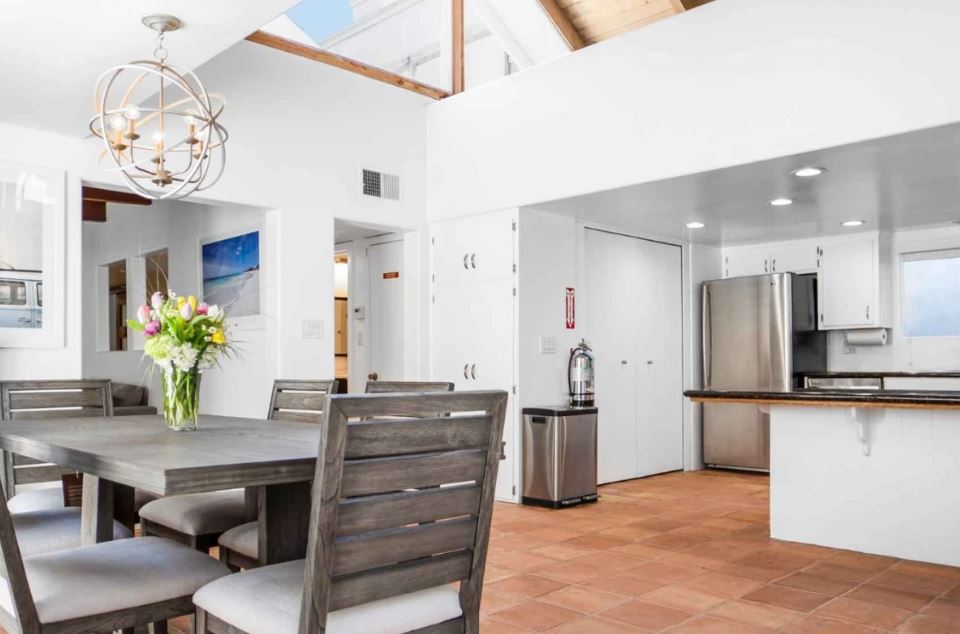
An outdoor lounge provides a designated area for rest, conversation, or supervised downtime outside. Users should confirm access rules and whether it is available year-round.

Air-Conditioned Rooms
Air-conditioned rooms help support comfort during residential or longer-stay treatment, especially in warm climates or facilities where temperature control affects sleep and daily routine.

Outdoor Space
Outdoor space may include patios, courtyards, lawns, or open-air areas that support movement, reflection, and breaks from indoor programming.

Beach Access
Beach access may offer a calming outdoor setting for reflection, walking, recreation, or wellness activities. Users should confirm whether beach access is supervised, nearby, or on-site.

Ocean View
Ocean-view settings may provide a calming environment and support a more restorative residential experience. Users should confirm whether views are from rooms, common areas, or nearby property.
Accreditations
Joint Commission
Who We Treat

Men and Women

Men

Women
Treatments

Cognitive Behavioral Therapy
CBT helps people identify thought and behavior patterns that may contribute to substance use, anxiety, depression, or relapse risk. Programs may use it to build coping skills and practical recovery strategies.

Dialectical Behavior Therapy
DBT teaches skills for emotion regulation, distress tolerance, mindfulness, and communication. It may support people with intense emotions, trauma symptoms, self-destructive patterns, or co-occurring mental health concerns.

Experiential Therapy
Experiential therapy uses structured activities, role-play, movement, art, or outdoor experiences to help clients process emotions and practice new skills. It may be useful when clients benefit from hands-on work beyond traditional talk therapy.

Group Therapy
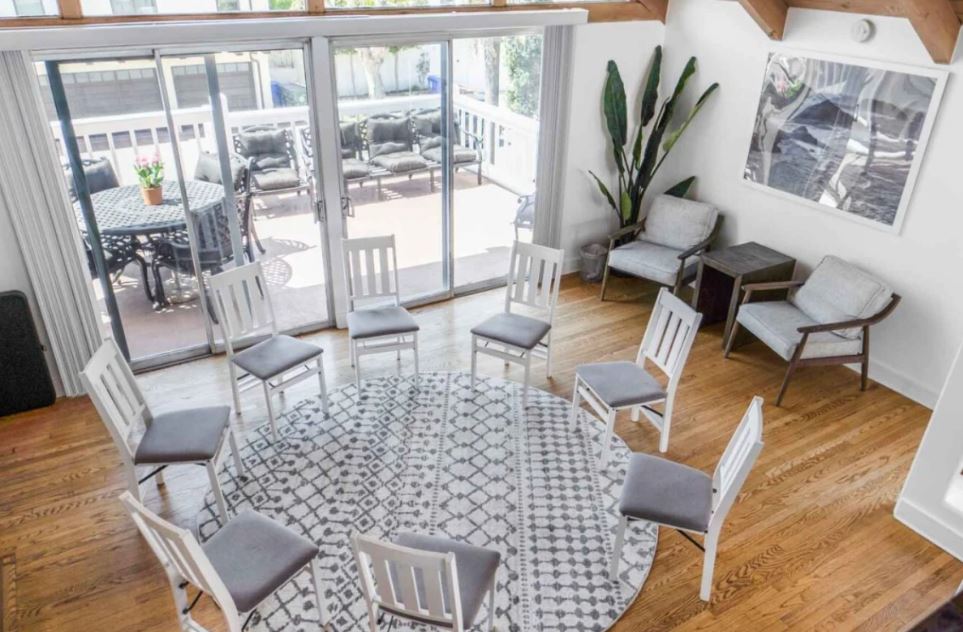
Group therapy brings clients together in a structured setting to discuss recovery, coping skills, accountability, relationships, and shared challenges. It is commonly used in addiction and mental health treatment at many levels of care.

Life Skills
Life skills programming helps clients build practical routines for daily stability, communication, employment readiness, budgeting, time management, and recovery planning. It is often used in residential, PHP, IOP, sober living, and transitional care.

Medication-Assisted Treatment
MAT uses approved medications with counseling or recovery support when clinically appropriate. It is especially important for opioid use disorder and may also be used for alcohol use disorder.

Meditation & Mindfulness
Meditation and mindfulness practices help clients build present-moment awareness, manage stress, and respond to cravings or emotions with more intention. They are usually supportive practices used alongside clinical treatment.

Somatic Experiencing
Somatic Experiencing is a body-oriented approach that focuses on physical sensations and nervous system regulation. It may be used as supportive trauma-informed care when provided by trained professionals.

Yoga
Yoga combines movement, breathing, and mindfulness practices that may support stress reduction, emotional regulation, sleep, and general wellness. It is best presented as a complementary recovery support rather than a standalone treatment.

Solution-Focused, Goal-Oriented Therapy
Solution-focused therapy helps clients identify strengths, set practical goals, and build on what is already working. It may be useful for clients who need short-term, structured support around recovery, relationships, or life stability.
Level Of Cares
Residential Treatment

Co-Occurring Substance Use Treatment
Conditions

ADHD / ADD
ADHD is a neurodevelopmental condition involving patterns of inattention, impulsivity, hyperactivity, organization difficulties, or time-management challenges. It may affect school, work, relationships, daily routines, and emotional regulation. Related support may include counseling, behavioral strategies, skills-based support, medication management when appropriate, outpatient care, or structured mental health treatment.

Anger
Anger is a normal emotion that becomes a concern when it is intense, frequent, hard to control, or linked with conflict, aggression, unsafe behavior, or relationship problems. Related support may include counseling, CBT, DBT-informed skills, group therapy, family therapy, outpatient care, or structured mental health treatment when anger occurs with trauma, mood concerns, or substance use.

Anxiety
Anxiety involves excessive worry, fear, nervousness, or physical tension that can affect sleep, concentration, relationships, work, school, and daily responsibilities. Related support may include therapy, counseling, medication management when appropriate, outpatient care, intensive outpatient care, or structured mental health treatment depending on symptoms and needs.

Depression
Depression is a mood condition involving persistent sadness, loss of interest, low energy, hopelessness, or changes in sleep, appetite, and concentration. It may affect daily functioning, relationships, school, work, and safety. Related support may include therapy, counseling, medication management when appropriate, crisis support when needed, outpatient care, intensive outpatient care, or structured mental health treatment.

Grief and Loss
Grief and loss describe emotional, physical, social, and mental reactions after losing someone or something important. Grief may affect mood, sleep, appetite, concentration, relationships, and daily routines. Related support may include grief counseling, therapy, support groups, outpatient care, or structured mental health treatment when grief is prolonged, traumatic, or connected with depression, trauma, or substance use.

Obsessive Compulsive Disorder (OCD)
OCD involves recurring unwanted thoughts, urges, or images and repetitive behaviors or mental acts that can become distressing or time-consuming. It may affect school, work, relationships, sleep, and daily routines. Related support may include specialized therapy, counseling, medication management when appropriate, outpatient care, intensive outpatient care, or structured mental health treatment.

Personality Disorders
Personality disorders involve long-term patterns in thoughts, emotions, behavior, identity, or relationships that cause distress or problems in functioning. They may affect relationships, work, boundaries, emotion regulation, and safety. Related support may include therapy, DBT-informed care, counseling, group therapy, outpatient care, intensive outpatient care, or residential treatment depending on severity and co-occurring needs.
Post-Traumatic Stress Disorder (PTSD)
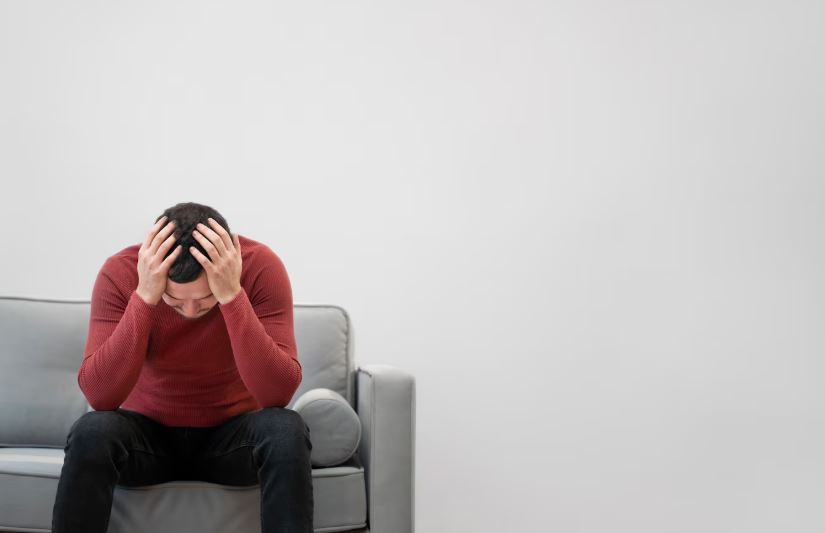
PTSD is a trauma-related condition that may involve intrusive memories, nightmares, avoidance, mood changes, sleep problems, and feeling constantly on edge. It can affect relationships, work, school, safety, and daily routines. Related support may include trauma-focused therapy, EMDR, counseling, medication management when appropriate, and structured mental health or co-occurring treatment.

Suicidality
Suicidality refers to thoughts, plans, or behaviors related to wanting to die or end one’s life. It may be connected with depression, trauma, substance use, grief, chronic pain, or other serious distress. Related support may include crisis support, safety planning, therapy, medication management when appropriate, intensive outpatient care, day treatment, residential treatment, or inpatient stabilization when immediate safety is a concern.

Trauma
Trauma refers to emotional or psychological distress after a harmful, frightening, or overwhelming experience. It may affect mood, sleep, trust, relationships, physical comfort, and a person’s sense of safety. Related support may include trauma-informed therapy, counseling, EMDR, outpatient care, intensive outpatient care, residential treatment, or co-occurring substance use support when relevant.
Substances We Treat

Co-Occurring Disorders
Co-occurring disorders involve both a substance use disorder and a mental health disorder. Treatment may coordinate addiction care, mental health therapy, medication management, and recovery support so both concerns are addressed together.

Drug Addiction / Substance Use Disorder
Drug addiction, or substance use disorder, involves continued substance use despite harmful consequences. Treatment may include assessment, counseling, behavioral therapies, medications for some substance use disorders, relapse prevention, and recovery support.