Clear Recovery of Cache Valley
About Clear Recovery of Cache Valley

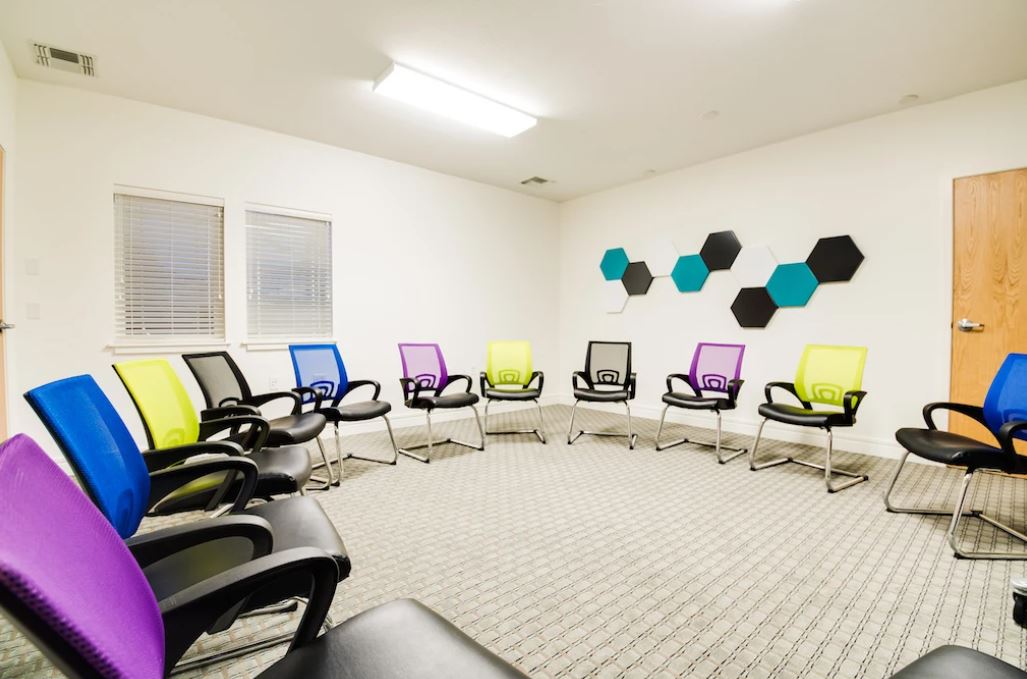
Amenities

Access to Nature
Centers with access to nature may offer outdoor areas, natural surroundings, or nearby green spaces that support reflection, movement, and a calmer treatment environment.

Walking Trails
Walking trails may support gentle movement, reflection, stress reduction, and time outdoors during treatment. Users should confirm accessibility, supervision, and trail location.

Air-Conditioned Rooms
Air-conditioned rooms help support comfort during residential or longer-stay treatment, especially in warm climates or facilities where temperature control affects sleep and daily routine.
Accreditations

CARF
Who We Treat

Men

Women
Treatments

1-on-1 Counseling
One-on-one counseling gives clients private time with a counselor or therapist to discuss substance use, mental health symptoms, goals, triggers, and recovery planning. It is commonly used throughout treatment to create a more personalized care plan.

Couples Counseling
Couples counseling helps partners address communication, trust, boundaries, conflict, and the effect of substance use or mental health symptoms on the relationship. It may be used when recovery involves relationship repair or partner support.
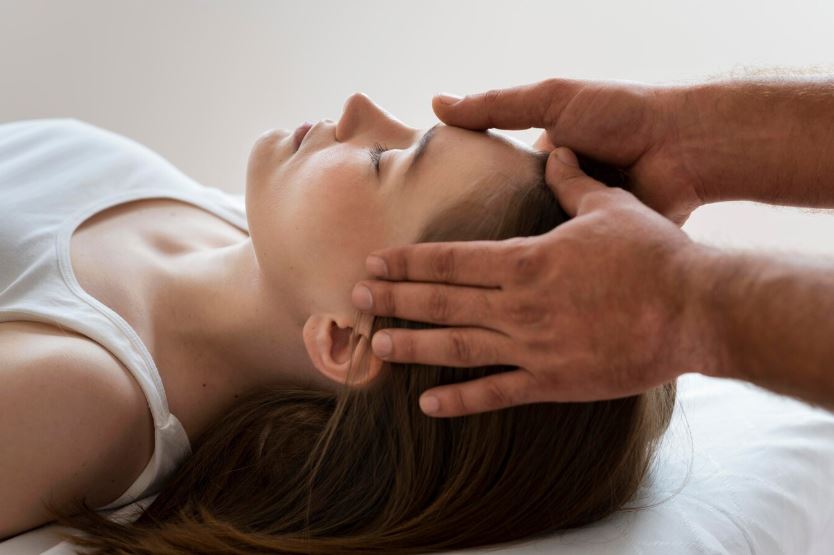
Craniosacral Therapy
Craniosacral therapy is a gentle bodywork approach sometimes offered for relaxation or stress support. It should be listed as a complementary wellness service, not as a primary clinical treatment for substance use or mental health disorders.

Dialectical Behavior Therapy
DBT teaches skills for emotion regulation, distress tolerance, mindfulness, and communication. It may support people with intense emotions, trauma symptoms, self-destructive patterns, or co-occurring mental health concerns.

Family Therapy
Family therapy helps clients and loved ones address communication, boundaries, conflict, support systems, and the impact of substance use or mental health concerns on the household. It is an important treatment option when recovery involves family relationships.

Group Therapy
Group therapy brings clients together in a structured setting to discuss recovery, coping skills, accountability, relationships, and shared challenges. It is commonly used in addiction and mental health treatment at many levels of care.

Medication-Assisted Treatment
MAT uses approved medications with counseling or recovery support when clinically appropriate. It is especially important for opioid use disorder and may also be used for alcohol use disorder.

Mindfulness Therapy
Mindfulness therapy uses attention, breathing, and awareness practices to help clients notice thoughts, cravings, and emotions without reacting automatically. It may support anxiety, depression, stress, trauma symptoms, and relapse prevention.

Motivational Interviewing
MI helps clients explore ambivalence and strengthen their own reasons for change. It is commonly used when someone is uncertain, resistant, or still building readiness for treatment or recovery.
Level Of Cares

Intensive Outpatient Program (IOP)

Outpatient Treatment

Day Treatment / Partial Hospitalization Program (PHP)

Co-Occurring Mental Health Treatment
Conditions

Anger
Anger is a normal emotion that becomes a concern when it is intense, frequent, hard to control, or linked with conflict, aggression, unsafe behavior, or relationship problems. Related support may include counseling, CBT, DBT-informed skills, group therapy, family therapy, outpatient care, or structured mental health treatment when anger occurs with trauma, mood concerns, or substance use.

Anxiety
Anxiety involves excessive worry, fear, nervousness, or physical tension that can affect sleep, concentration, relationships, work, school, and daily responsibilities. Related support may include therapy, counseling, medication management when appropriate, outpatient care, intensive outpatient care, or structured mental health treatment depending on symptoms and needs.

Codependency
Codependency describes an unhealthy relationship pattern where a person may focus heavily on another person’s needs, emotions, or behavior while neglecting personal boundaries and wellbeing. It may affect self-esteem, relationships, decision-making, and emotional health. Related support may include counseling, family therapy, group therapy, boundary-focused support, outpatient care, or co-occurring treatment when substance use is involved in the relationship system.

Depression
Depression is a mood condition involving persistent sadness, loss of interest, low energy, hopelessness, or changes in sleep, appetite, and concentration. It may affect daily functioning, relationships, school, work, and safety. Related support may include therapy, counseling, medication management when appropriate, crisis support when needed, outpatient care, intensive outpatient care, or structured mental health treatment.
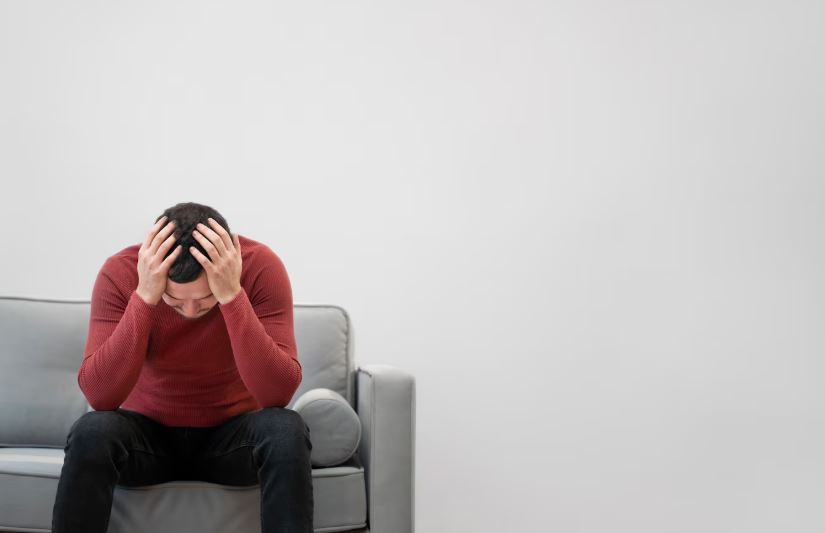
Post-Traumatic Stress Disorder (PTSD)
PTSD is a trauma-related condition that may involve intrusive memories, nightmares, avoidance, mood changes, sleep problems, and feeling constantly on edge. It can affect relationships, work, school, safety, and daily routines. Related support may include trauma-focused therapy, EMDR, counseling, medication management when appropriate, and structured mental health or co-occurring treatment.
Stress
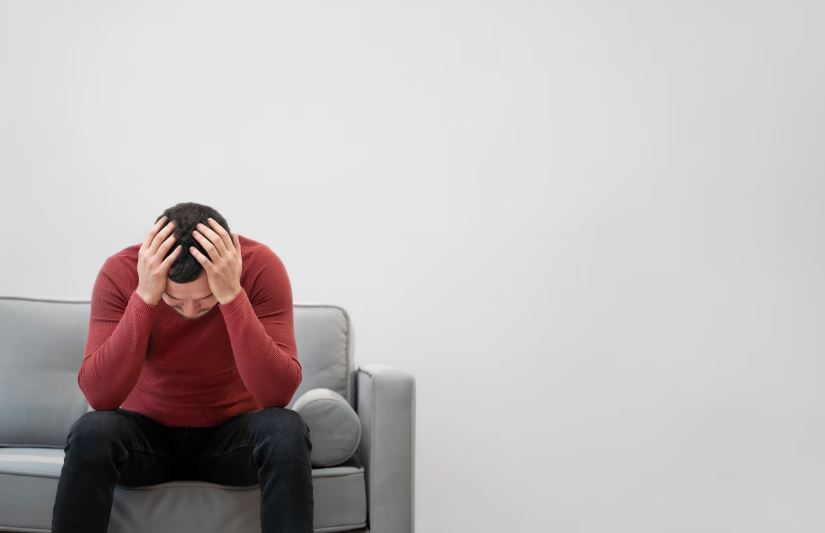
Stress is the body and mind’s response to pressure, demands, or life changes. Ongoing stress may affect sleep, mood, concentration, physical comfort, relationships, work, and daily responsibilities. Related support may include counseling, stress-management therapy, mindfulness-based support, outpatient care, virtual care, or higher levels of care when stress occurs with other mental health or substance use concerns.

Trauma
Trauma refers to emotional or psychological distress after a harmful, frightening, or overwhelming experience. It may affect mood, sleep, trust, relationships, physical comfort, and a person’s sense of safety. Related support may include trauma-informed therapy, counseling, EMDR, outpatient care, intensive outpatient care, residential treatment, or co-occurring substance use support when relevant.
Substances We Treat

Alcohol
Alcohol use disorder can affect health, relationships, work, safety, and mental health. Treatment may include counseling, behavioral therapies, recovery support, and FDA-approved medications when clinically appropriate.

Benzodiazepines
Benzodiazepines are prescription sedatives sometimes used for anxiety, sleep, or seizure-related conditions. Treatment may involve careful assessment, medical supervision, and support for dependence or withdrawal risk, especially when other substances are involved.

Co-Occurring Disorders
Co-occurring disorders involve both a substance use disorder and a mental health disorder. Treatment may coordinate addiction care, mental health therapy, medication management, and recovery support so both concerns are addressed together.
Cocaine
Cocaine is a stimulant that can affect the brain, heart, mood, sleep, and decision-making. Treatment commonly focuses on behavioral therapy, relapse prevention, coping skills, and support for cravings or co-occurring mental health symptoms.

Heroin
Heroin is an opioid with a high risk of dependence, withdrawal, and overdose. Treatment often includes medications for opioid use disorder, counseling, harm-reduction education, relapse prevention, and ongoing recovery support.

Cannabis / Marijuana
Cannabis use can become problematic for some people, especially when it affects school, work, mood, motivation, relationships, or daily functioning. Treatment may include counseling, behavioral therapy, coping skills, and support for withdrawal symptoms or co-occurring mental health concerns.

Methamphetamine
Methamphetamine is a powerful stimulant that can affect sleep, mood, thinking, heart health, and behavior. Treatment commonly focuses on behavioral therapies, contingency management where available, relapse prevention, recovery support, and co-occurring mental health care.

Prescription Drugs
Prescription drug misuse may involve opioids, benzodiazepines, stimulants, or other medications used differently than prescribed. Treatment may include medical assessment, withdrawal support when needed, counseling, medication management, and relapse prevention planning.
Synthetic Drugs / New Psychoactive Substances
Synthetic drugs can include lab-made cannabinoids, stimulants, opioids, or hallucinogens with unpredictable strength and effects. Treatment may focus on medical stabilization, substance use counseling, relapse prevention, and mental health support when symptoms are severe or persistent.

Drug Addiction / Substance Use Disorder
Drug addiction, or substance use disorder, involves continued substance use despite harmful consequences. Treatment may include assessment, counseling, behavioral therapies, medications for some substance use disorders, relapse prevention, and recovery support.