
Luxe Recovery
About Luxe Recovery



Insurances

Aetna

Anthem
BlueCross BlueShield
Carelon Behavioral Health
Cigna

Humana
Kaiser Permanente

Optum

United Healthcare
Amenities

Allow Cell Phones
Some centers allow cell phones during treatment, while others limit phone use during certain phases of care. Users should confirm the facility’s phone policy before admission.

Business Center
A business center may provide workspace, internet access, or communication tools for clients who need limited work or professional contact during treatment. Facility rules may vary.

Internet Access
Internet access may help clients communicate with family, manage work obligations, or use approved digital resources. Some programs limit internet use during treatment.

Luxury
Luxury facilities may offer upgraded accommodations, privacy, dining, wellness services, or hospitality-style amenities. Users should still compare clinical services, licensing, staff credentials, and treatment fit.

Pool
A pool may support recreation, light exercise, relaxation, or wellness activities during treatment. Users should confirm supervision, schedule, accessibility, and safety rules.

Spa
Spa services may include comfort or wellness-focused options such as massage, skincare, or relaxation services. These should be viewed as amenities, not primary clinical treatment.

Access to Nature
Centers with access to nature may offer outdoor areas, natural surroundings, or nearby green spaces that support reflection, movement, and a calmer treatment environment.

Fitness Center
A fitness center may support exercise, routine, stress reduction, and overall wellness during treatment. Users should confirm available equipment, supervision, and any medical restrictions.

Gourmet Dining
Gourmet dining usually refers to upgraded meal quality or dining experience. Users should still confirm whether the center can accommodate medical, cultural, allergy, or dietary needs.

Hot Tub
A hot tub may be offered as a comfort or relaxation amenity. Users should ask about access rules, safety policies, and whether use is restricted for medical reasons.

Outdoor Dining
Outdoor dining may offer a more relaxed meal setting and access to fresh air during treatment. Availability may depend on weather, facility layout, and program schedule.

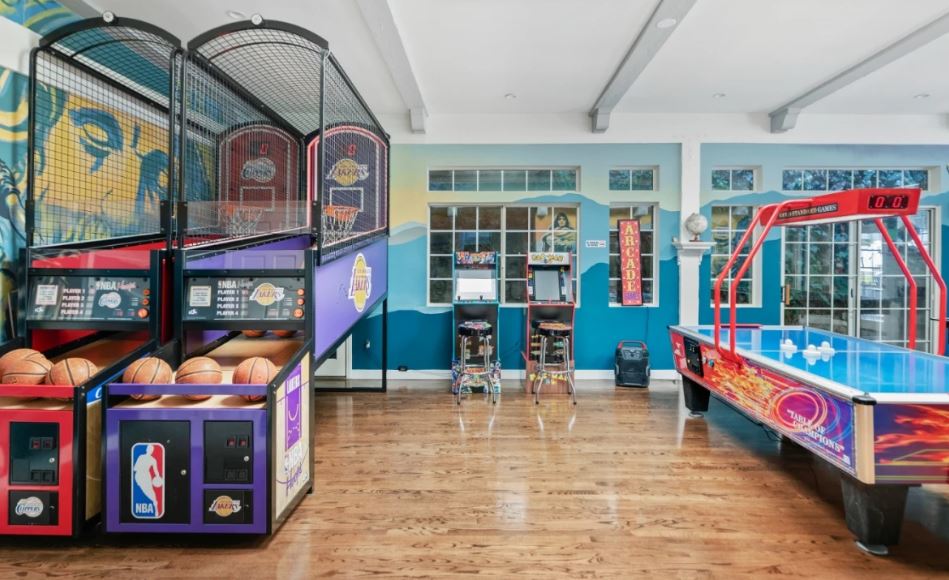
Recreation Room
A recreation room may provide space for games, social activities, relaxation, or structured downtime. It can support routine and peer connection outside clinical sessions.
Accreditations
Joint Commission
Who We Treat

Executives

Men Only

Pregnant Women

Professionals

Women only

Young Adults

Midlife Adults
Treatments

1-on-1 Counseling
One-on-one counseling gives clients private time with a counselor or therapist to discuss substance use, mental health symptoms, goals, triggers, and recovery planning. It is commonly used throughout treatment to create a more personalized care plan.

Acupuncture
Acupuncture is a complementary therapy that involves stimulating specific points on the body. Some programs may use it as supportive care for stress, discomfort, cravings, or relaxation, but it should not be presented as a replacement for clinical addiction or mental health treatment.

Adventure Therapy
Adventure therapy uses structured outdoor or activity-based experiences to build confidence, communication, problem-solving, and emotional regulation. It is usually used as a supportive approach alongside counseling, group therapy, or residential treatment.

Art Therapy
Art therapy uses creative activities to help clients express emotions, process experiences, and explore thoughts that may be difficult to discuss directly. It is often used as a supportive approach in mental health, trauma, and substance use treatment settings.

Cognitive Behavioral Therapy
CBT helps people identify thought and behavior patterns that may contribute to substance use, anxiety, depression, or relapse risk. Programs may use it to build coping skills and practical recovery strategies.

Eye Movement Therapy (EMDR)
EMDR is a structured therapy often used for trauma-related symptoms and distressing memories. In treatment settings, it may support clients whose substance use or mental health symptoms are connected to traumatic experiences.

Family Therapy
Family therapy helps clients and loved ones address communication, boundaries, conflict, support systems, and the impact of substance use or mental health concerns on the household. It is an important treatment option when recovery involves family relationships.

Hypnotherapy
Hypnotherapy uses guided relaxation and focused attention to support behavior change, stress reduction, or symptom management. Users should ask whether it is provided by a qualified professional and how it fits into the overall treatment plan.

Life Skills
Life skills programming helps clients build practical routines for daily stability, communication, employment readiness, budgeting, time management, and recovery planning. It is often used in residential, PHP, IOP, sober living, and transitional care.

Massage Therapy
Massage therapy is a complementary service that may support relaxation, stress reduction, body awareness, or general wellness. It should be presented as supportive care, not as a replacement for counseling, medication, or clinical treatment.

Medication-Assisted Treatment
MAT uses approved medications with counseling or recovery support when clinically appropriate. It is especially important for opioid use disorder and may also be used for alcohol use disorder.

Motivational Interviewing
MI helps clients explore ambivalence and strengthen their own reasons for change. It is commonly used when someone is uncertain, resistant, or still building readiness for treatment or recovery.

Music Therapy
Music therapy uses music-based activities such as listening, songwriting, rhythm, or discussion to support emotional expression, coping, and connection. It may be helpful as a supportive service for trauma, mood symptoms, stress, or recovery engagement.

Narrative Therapy
Narrative therapy helps clients examine the stories they hold about themselves, their past, and their recovery. It may support people working through shame, identity, trauma, relationship stress, or long-standing negative self-beliefs.

Rational Emotive Behavior Therapy
REBT helps clients identify rigid or harmful beliefs and replace them with more balanced thinking. It may support emotional regulation, behavior change, and coping with substance use or mental health symptoms.

Recreation Therapy
Recreation therapy uses structured recreational activities to support social connection, stress reduction, confidence, and healthy routines. It is often used as a supportive service in residential or extended-care programs.

Relapse Prevention Counseling
Relapse prevention counseling helps clients identify triggers, warning signs, high-risk situations, and coping strategies. It is commonly used to support ongoing recovery after detox, residential treatment, PHP, IOP, or outpatient care.
Relaxation Therapy
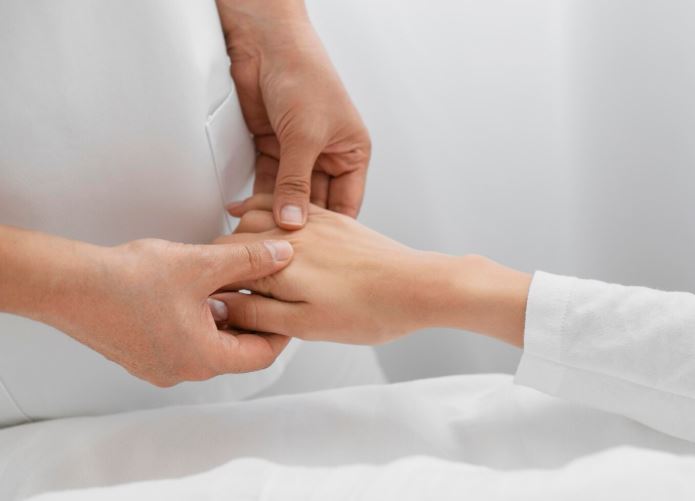
Relaxation therapy uses breathing, guided imagery, muscle relaxation, or calming exercises to reduce stress and physical tension. It may support anxiety management, sleep routines, cravings, and emotional regulation.

Somatic Experiencing
Somatic Experiencing is a body-oriented approach that focuses on physical sensations and nervous system regulation. It may be used as supportive trauma-informed care when provided by trained professionals.

Psychoeducation
Psychoeducation helps clients understand addiction, mental health symptoms, medications, coping skills, relapse warning signs, and treatment expectations. It is commonly used across many levels of care to support informed participation in treatment.
Level Of Cares

Detox
Residential Treatment
Conditions

ADHD / ADD
ADHD is a neurodevelopmental condition involving patterns of inattention, impulsivity, hyperactivity, organization difficulties, or time-management challenges. It may affect school, work, relationships, daily routines, and emotional regulation. Related support may include counseling, behavioral strategies, skills-based support, medication management when appropriate, outpatient care, or structured mental health treatment.

Anger
Anger is a normal emotion that becomes a concern when it is intense, frequent, hard to control, or linked with conflict, aggression, unsafe behavior, or relationship problems. Related support may include counseling, CBT, DBT-informed skills, group therapy, family therapy, outpatient care, or structured mental health treatment when anger occurs with trauma, mood concerns, or substance use.

Anxiety
Anxiety involves excessive worry, fear, nervousness, or physical tension that can affect sleep, concentration, relationships, work, school, and daily responsibilities. Related support may include therapy, counseling, medication management when appropriate, outpatient care, intensive outpatient care, or structured mental health treatment depending on symptoms and needs.
Bipolar
Bipolar disorder is a mood disorder involving episodes of elevated or irritable mood and increased energy, along with episodes of depression. It may affect sleep, judgment, activity level, relationships, work, school, and safety. Related support may include psychiatric care, medication management, therapy, outpatient care, intensive outpatient care, day treatment, residential treatment, or inpatient stabilization when needed.

Burnout
Burnout is an occupational concern linked to unmanaged chronic workplace stress, often involving exhaustion, mental distance from work, and reduced effectiveness. It may affect motivation, sleep, mood, relationships, and job performance. Related support may include counseling, stress-focused therapy, skills-based support, outpatient care, or mental health treatment when burnout overlaps with anxiety, depression, trauma, or substance use.

Chronic Pain Management
Chronic pain involves ongoing pain lasting for months or longer and may affect mobility, sleep, mood, work, relationships, and quality of life. Related support may include behavioral health counseling, pain-focused therapy, mindfulness-based support, medical coordination, outpatient care, or co-occurring substance use treatment when pain overlaps with medication, opioid, alcohol, or other substance concerns.
Codependency
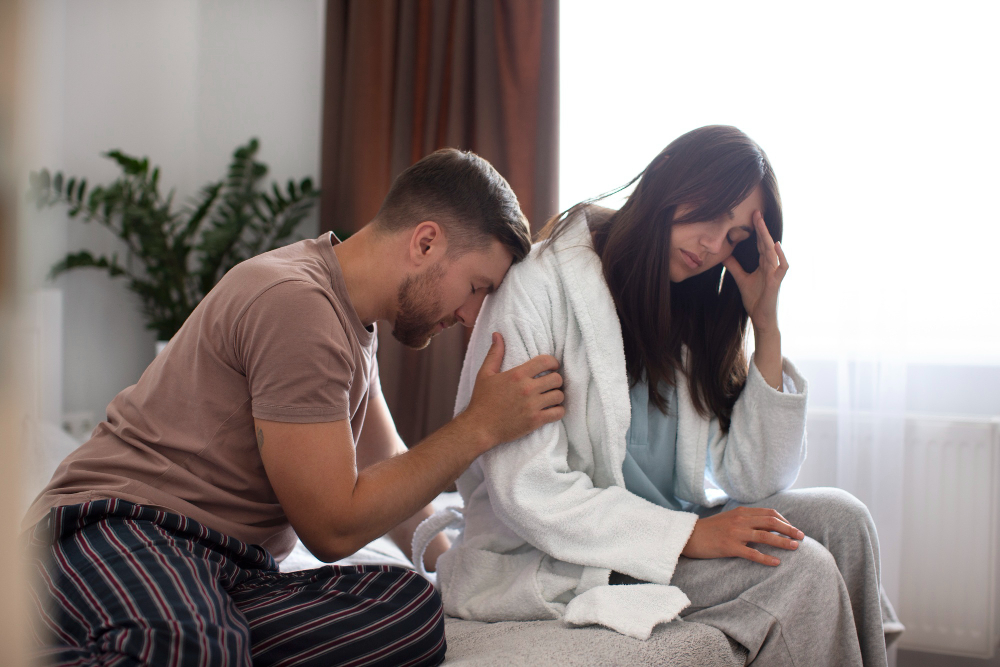
Codependency describes an unhealthy relationship pattern where a person may focus heavily on another person’s needs, emotions, or behavior while neglecting personal boundaries and wellbeing. It may affect self-esteem, relationships, decision-making, and emotional health. Related support may include counseling, family therapy, group therapy, boundary-focused support, outpatient care, or co-occurring treatment when substance use is involved in the relationship system.

Depression
Depression is a mood condition involving persistent sadness, loss of interest, low energy, hopelessness, or changes in sleep, appetite, and concentration. It may affect daily functioning, relationships, school, work, and safety. Related support may include therapy, counseling, medication management when appropriate, crisis support when needed, outpatient care, intensive outpatient care, or structured mental health treatment.

Obsessive Compulsive Disorder (OCD)
OCD involves recurring unwanted thoughts, urges, or images and repetitive behaviors or mental acts that can become distressing or time-consuming. It may affect school, work, relationships, sleep, and daily routines. Related support may include specialized therapy, counseling, medication management when appropriate, outpatient care, intensive outpatient care, or structured mental health treatment.

Personality Disorders
Personality disorders involve long-term patterns in thoughts, emotions, behavior, identity, or relationships that cause distress or problems in functioning. They may affect relationships, work, boundaries, emotion regulation, and safety. Related support may include therapy, DBT-informed care, counseling, group therapy, outpatient care, intensive outpatient care, or residential treatment depending on severity and co-occurring needs.
Post-Traumatic Stress Disorder (PTSD)
PTSD is a trauma-related condition that may involve intrusive memories, nightmares, avoidance, mood changes, sleep problems, and feeling constantly on edge. It can affect relationships, work, school, safety, and daily routines. Related support may include trauma-focused therapy, EMDR, counseling, medication management when appropriate, and structured mental health or co-occurring treatment.
Stress
Stress is the body and mind’s response to pressure, demands, or life changes. Ongoing stress may affect sleep, mood, concentration, physical comfort, relationships, work, and daily responsibilities. Related support may include counseling, stress-management therapy, mindfulness-based support, outpatient care, virtual care, or higher levels of care when stress occurs with other mental health or substance use concerns.
Substances We Treat

Alcohol
Alcohol use disorder can affect health, relationships, work, safety, and mental health. Treatment may include counseling, behavioral therapies, recovery support, and FDA-approved medications when clinically appropriate.

Benzodiazepines
Benzodiazepines are prescription sedatives sometimes used for anxiety, sleep, or seizure-related conditions. Treatment may involve careful assessment, medical supervision, and support for dependence or withdrawal risk, especially when other substances are involved.

Co-Occurring Disorders
Co-occurring disorders involve both a substance use disorder and a mental health disorder. Treatment may coordinate addiction care, mental health therapy, medication management, and recovery support so both concerns are addressed together.
Cocaine
Cocaine is a stimulant that can affect the brain, heart, mood, sleep, and decision-making. Treatment commonly focuses on behavioral therapy, relapse prevention, coping skills, and support for cravings or co-occurring mental health symptoms.

Ecstasy / MDMA
MDMA, often called ecstasy or molly, is a psychoactive stimulant and hallucinogen. Treatment may address mood changes, sleep problems, cravings, risky use patterns, and co-occurring mental health concerns.

Heroin
Heroin is an opioid with a high risk of dependence, withdrawal, and overdose. Treatment often includes medications for opioid use disorder, counseling, harm-reduction education, relapse prevention, and ongoing recovery support.

Cannabis / Marijuana
Cannabis use can become problematic for some people, especially when it affects school, work, mood, motivation, relationships, or daily functioning. Treatment may include counseling, behavioral therapy, coping skills, and support for withdrawal symptoms or co-occurring mental health concerns.

Methamphetamine
Methamphetamine is a powerful stimulant that can affect sleep, mood, thinking, heart health, and behavior. Treatment commonly focuses on behavioral therapies, contingency management where available, relapse prevention, recovery support, and co-occurring mental health care.

Opioids
Opioids include heroin, fentanyl, and prescription pain medications such as oxycodone or hydrocodone. Treatment for opioid use disorder may include FDA-approved medications such as buprenorphine, methadone, or naltrexone, along with counseling and recovery support.

Prescription Drugs
Prescription drug misuse may involve opioids, benzodiazepines, stimulants, or other medications used differently than prescribed. Treatment may include medical assessment, withdrawal support when needed, counseling, medication management, and relapse prevention planning.

Smoking Cessation
Smoking cessation support helps people reduce or stop tobacco use. Programs may include counseling, nicotine replacement therapy, prescription medications, coping strategies, and relapse-prevention support.
Synthetic Drugs / New Psychoactive Substances
Synthetic drugs can include lab-made cannabinoids, stimulants, opioids, or hallucinogens with unpredictable strength and effects. Treatment may focus on medical stabilization, substance use counseling, relapse prevention, and mental health support when symptoms are severe or persistent.

Nicotine / Tobacco
Nicotine dependence can involve cravings, withdrawal symptoms, and repeated tobacco or vaping use despite health risks. Treatment may include counseling, nicotine replacement therapy, and other FDA-approved smoking cessation medications.