
Parisi House on the Hill
About Parisi House on the Hill
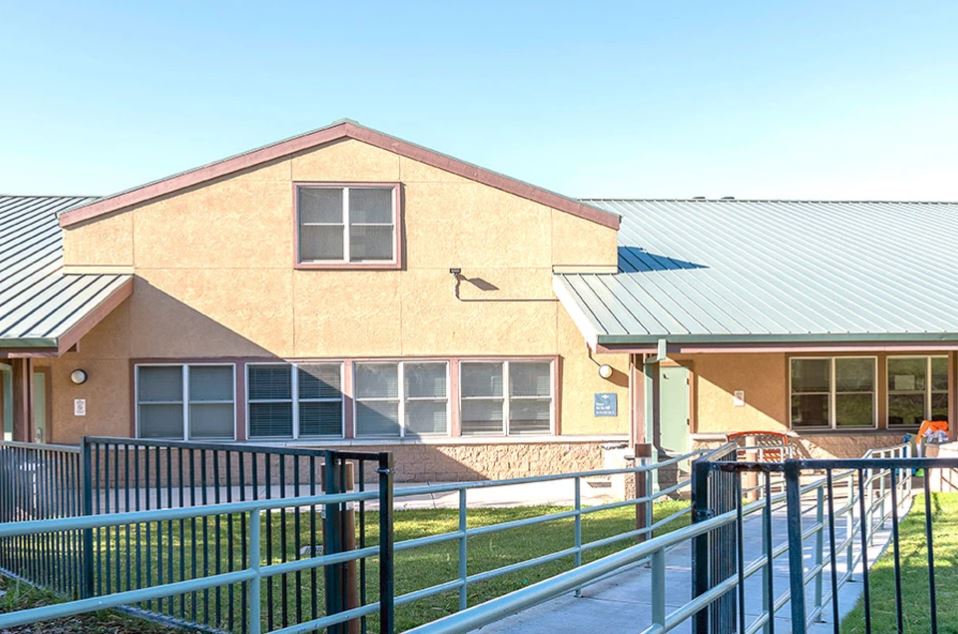
Amenities

Air-Conditioned Rooms
Air-conditioned rooms help support comfort during residential or longer-stay treatment, especially in warm climates or facilities where temperature control affects sleep and daily routine.

Private or Shared Rooms
Facilities may offer private rooms, shared rooms, or both. Room type can affect privacy, cost, comfort, and availability, so users should confirm options before admission.
Who We Treat

Boys

Children

Girls

Young Adults

Midlife Adults

Men and Women

Men

Women
Treatments

1-on-1 Counseling
One-on-one counseling gives clients private time with a counselor or therapist to discuss substance use, mental health symptoms, goals, triggers, and recovery planning. It is commonly used throughout treatment to create a more personalized care plan.

Cognitive Behavioral Therapy
CBT helps people identify thought and behavior patterns that may contribute to substance use, anxiety, depression, or relapse risk. Programs may use it to build coping skills and practical recovery strategies.

Family Therapy
Family therapy helps clients and loved ones address communication, boundaries, conflict, support systems, and the impact of substance use or mental health concerns on the household. It is an important treatment option when recovery involves family relationships.

Group Therapy
Group therapy brings clients together in a structured setting to discuss recovery, coping skills, accountability, relationships, and shared challenges. It is commonly used in addiction and mental health treatment at many levels of care.

Life Skills
Life skills programming helps clients build practical routines for daily stability, communication, employment readiness, budgeting, time management, and recovery planning. It is often used in residential, PHP, IOP, sober living, and transitional care.

Motivational Interviewing
MI helps clients explore ambivalence and strengthen their own reasons for change. It is commonly used when someone is uncertain, resistant, or still building readiness for treatment or recovery.

Nutrition Counseling
Nutrition counseling helps clients address eating patterns, physical recovery, energy, and health habits that may be affected by substance use, stress, or mental health symptoms. It is often supportive within broader medical or behavioral health care.

Trauma-Specific Therapy
Trauma-specific therapy focuses directly on the effects of trauma, including triggers, avoidance, emotional distress, and safety. It may be important when trauma history is connected to substance use, anxiety, depression, or other mental health concerns.
Level Of Cares
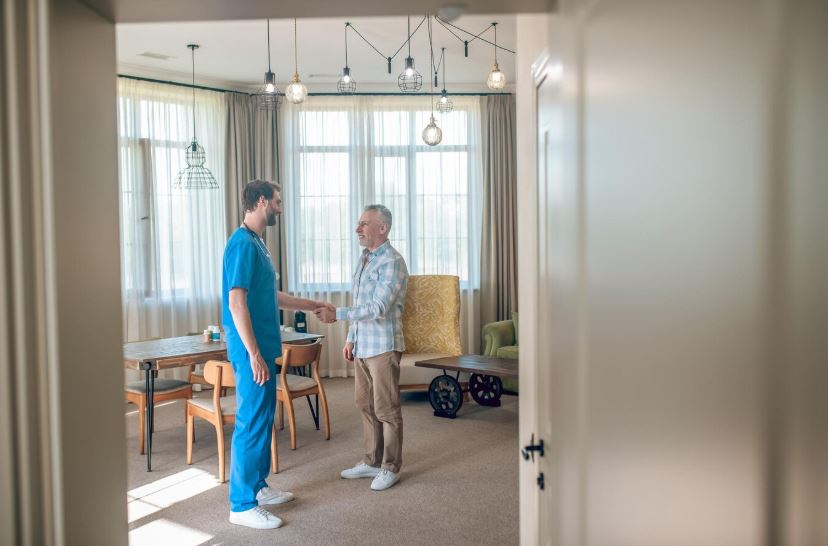
Residential Treatment

Co-Occurring Disorder Treatment

Licensed Primary Mental Health
Conditions

Anger
Anger is a normal emotion that becomes a concern when it is intense, frequent, hard to control, or linked with conflict, aggression, unsafe behavior, or relationship problems. Related support may include counseling, CBT, DBT-informed skills, group therapy, family therapy, outpatient care, or structured mental health treatment when anger occurs with trauma, mood concerns, or substance use.

Trauma
Trauma refers to emotional or psychological distress after a harmful, frightening, or overwhelming experience. It may affect mood, sleep, trust, relationships, physical comfort, and a person’s sense of safety. Related support may include trauma-informed therapy, counseling, EMDR, outpatient care, intensive outpatient care, residential treatment, or co-occurring substance use support when relevant.

Perinatal Mental Health
Perinatal mental health concerns occur during pregnancy or after childbirth and may include depression, anxiety, mood changes, intrusive thoughts, or bonding difficulties. They can affect sleep, energy, relationships, caregiving, and daily functioning. Related support may include therapy, counseling, medication management when appropriate, family support, outpatient care, intensive outpatient care, or higher levels of care when safety or functioning is affected.
Substances We Treat

Alcohol
Alcohol use disorder can affect health, relationships, work, safety, and mental health. Treatment may include counseling, behavioral therapies, recovery support, and FDA-approved medications when clinically appropriate.

Co-Occurring Disorders
Co-occurring disorders involve both a substance use disorder and a mental health disorder. Treatment may coordinate addiction care, mental health therapy, medication management, and recovery support so both concerns are addressed together.

Drug Addiction / Substance Use Disorder
Drug addiction, or substance use disorder, involves continued substance use despite harmful consequences. Treatment may include assessment, counseling, behavioral therapies, medications for some substance use disorders, relapse prevention, and recovery support.