
Psynergy Vista de Robles
About Psynergy Vista de Robles
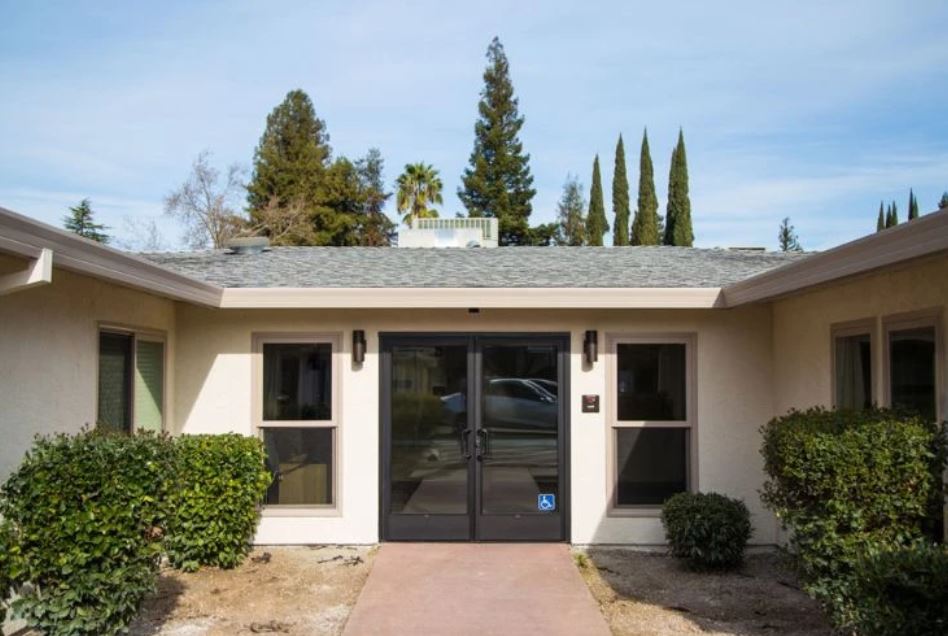
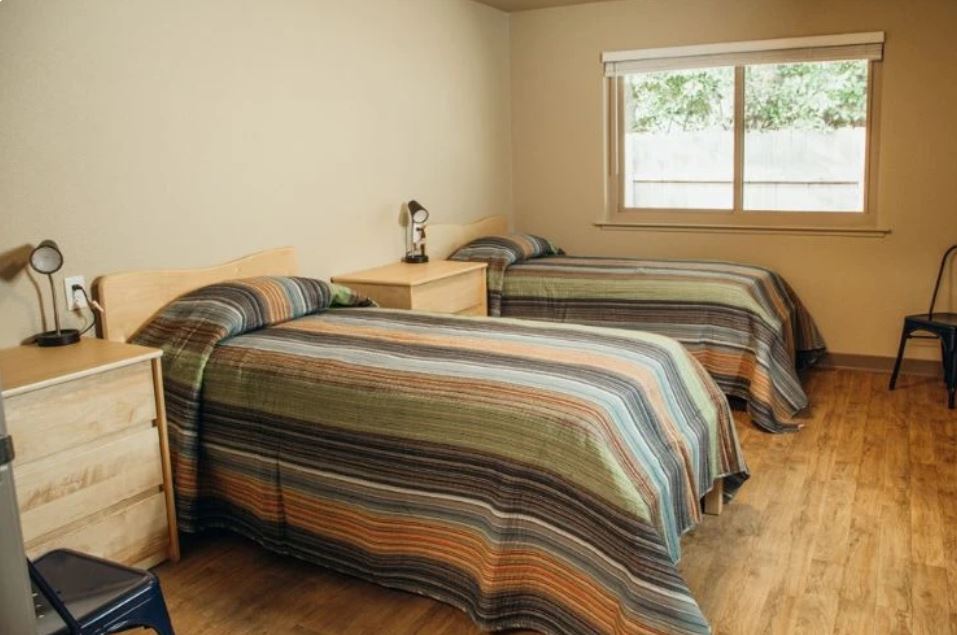
Amenities

Chef-prepared Meals
Chef-prepared meals may support nutrition, comfort, and daily routine during residential treatment. Users should ask about dietary accommodations, allergies, and nutrition support if needed.

Outdoor Lounge
An outdoor lounge provides a designated area for rest, conversation, or supervised downtime outside. Users should confirm access rules and whether it is available year-round.

Air-Conditioned Rooms
Air-conditioned rooms help support comfort during residential or longer-stay treatment, especially in warm climates or facilities where temperature control affects sleep and daily routine.

Outdoor Space
Outdoor space may include patios, courtyards, lawns, or open-air areas that support movement, reflection, and breaks from indoor programming.
Who We Treat

Men and Women

Men

Women
Treatments

1-on-1 Counseling
One-on-one counseling gives clients private time with a counselor or therapist to discuss substance use, mental health symptoms, goals, triggers, and recovery planning. It is commonly used throughout treatment to create a more personalized care plan.

Equine Therapy
Equine therapy uses supervised activities with horses to support emotional awareness, trust, boundaries, communication, and confidence. It is often used as an experiential support alongside counseling or trauma-informed treatment.

Family Therapy
Family therapy helps clients and loved ones address communication, boundaries, conflict, support systems, and the impact of substance use or mental health concerns on the household. It is an important treatment option when recovery involves family relationships.

Life Skills
Life skills programming helps clients build practical routines for daily stability, communication, employment readiness, budgeting, time management, and recovery planning. It is often used in residential, PHP, IOP, sober living, and transitional care.

Twelve Step Facilitation
TSF helps clients understand and participate in Twelve Step recovery support. It may be used alongside counseling, medication, relapse prevention, and other treatment services.

Introduction to the 12 Step Program
An introduction to the Twelve Step model helps clients understand peer-support programs, meetings, sponsorship, accountability, and recovery principles. It may be offered as one part of a broader treatment plan, especially in addiction recovery programs.
Level Of Cares
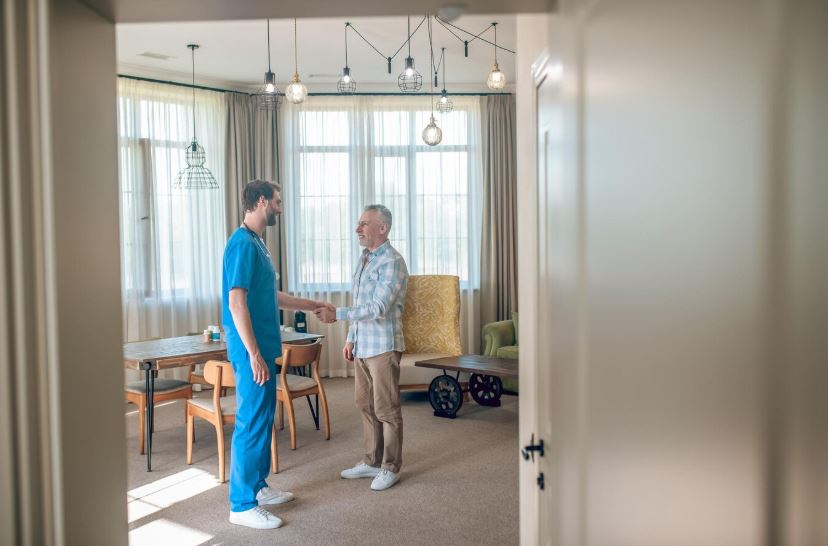
Residential Treatment

Intensive Family Program
Conditions

Anxiety
Anxiety involves excessive worry, fear, nervousness, or physical tension that can affect sleep, concentration, relationships, work, school, and daily responsibilities. Related support may include therapy, counseling, medication management when appropriate, outpatient care, intensive outpatient care, or structured mental health treatment depending on symptoms and needs.

Bipolar
Bipolar disorder is a mood disorder involving episodes of elevated or irritable mood and increased energy, along with episodes of depression. It may affect sleep, judgment, activity level, relationships, work, school, and safety. Related support may include psychiatric care, medication management, therapy, outpatient care, intensive outpatient care, day treatment, residential treatment, or inpatient stabilization when needed.

Depression
Depression is a mood condition involving persistent sadness, loss of interest, low energy, hopelessness, or changes in sleep, appetite, and concentration. It may affect daily functioning, relationships, school, work, and safety. Related support may include therapy, counseling, medication management when appropriate, crisis support when needed, outpatient care, intensive outpatient care, or structured mental health treatment.

Schizophrenia
Schizophrenia is a serious mental health condition that can affect perception, thinking, communication, emotions, and functioning. Symptoms may include hallucinations, delusions, disorganized thoughts, or reduced motivation. Related support may include psychiatric care, medication management, therapy, case management, outpatient care, intensive outpatient care, residential treatment, or inpatient stabilization when needed.
Substances We Treat

Alcohol
Alcohol use disorder can affect health, relationships, work, safety, and mental health. Treatment may include counseling, behavioral therapies, recovery support, and FDA-approved medications when clinically appropriate.

Co-Occurring Disorders
Co-occurring disorders involve both a substance use disorder and a mental health disorder. Treatment may coordinate addiction care, mental health therapy, medication management, and recovery support so both concerns are addressed together.

Drug Addiction / Substance Use Disorder
Drug addiction, or substance use disorder, involves continued substance use despite harmful consequences. Treatment may include assessment, counseling, behavioral therapies, medications for some substance use disorders, relapse prevention, and recovery support.