Quest House Portland
About Quest House Portland

Insurances
Amenities

Air-Conditioned Rooms
Air-conditioned rooms help support comfort during residential or longer-stay treatment, especially in warm climates or facilities where temperature control affects sleep and daily routine.

Private or Shared Rooms
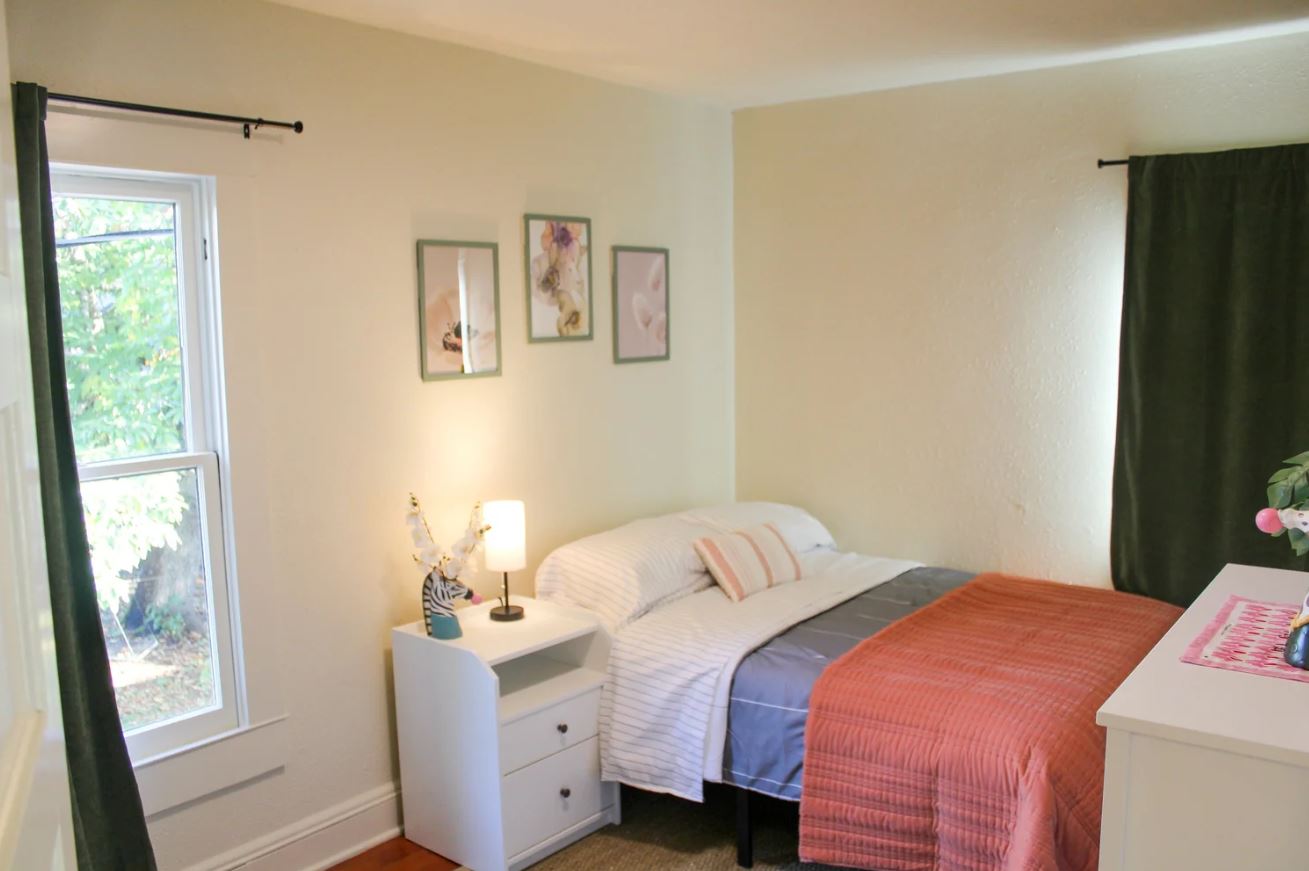
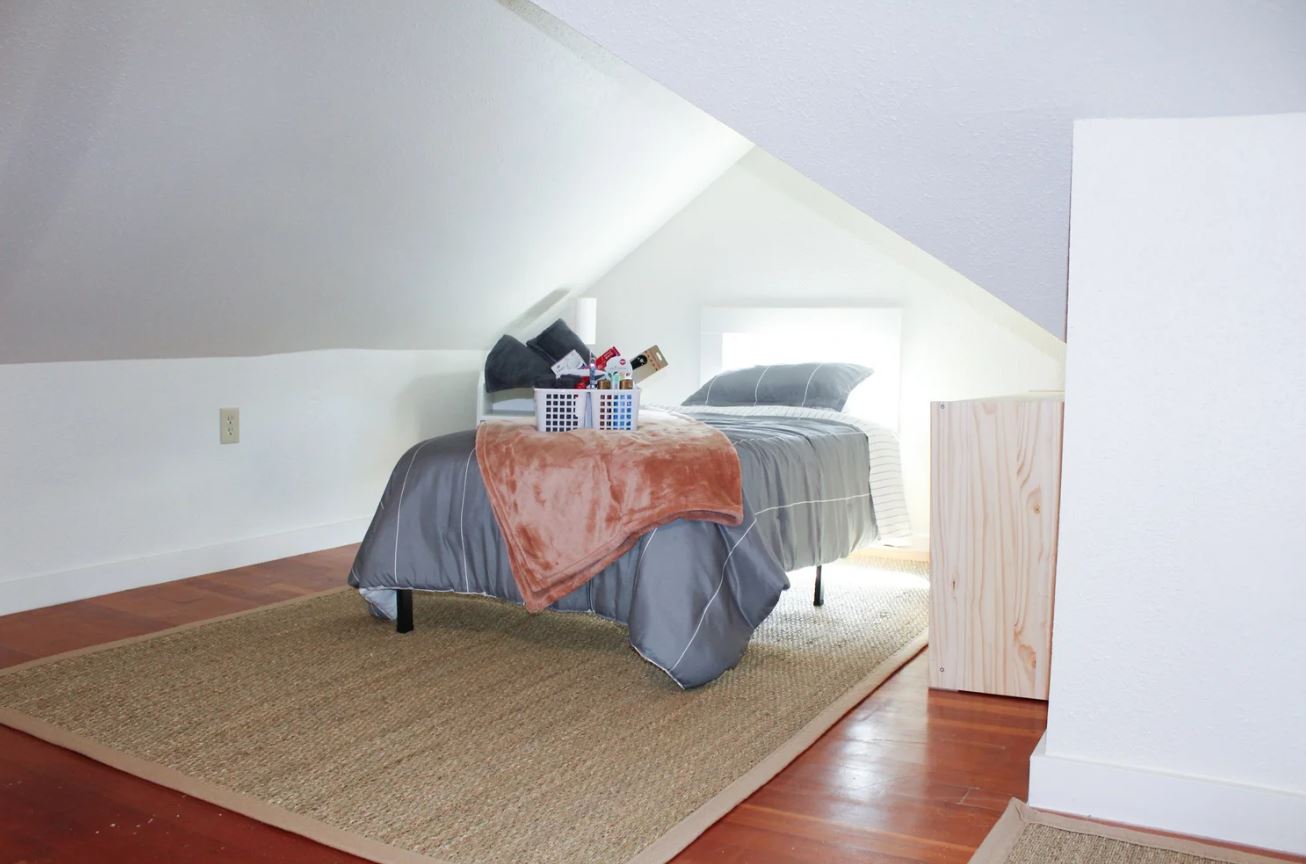
Facilities may offer private rooms, shared rooms, or both. Room type can affect privacy, cost, comfort, and availability, so users should confirm options before admission.
Who We Treat

LGBTQ+

Young Adults

Men

Women
Treatments

1-on-1 Counseling
One-on-one counseling gives clients private time with a counselor or therapist to discuss substance use, mental health symptoms, goals, triggers, and recovery planning. It is commonly used throughout treatment to create a more personalized care plan.

Acupuncture
Acupuncture is a complementary therapy that involves stimulating specific points on the body. Some programs may use it as supportive care for stress, discomfort, cravings, or relaxation, but it should not be presented as a replacement for clinical addiction or mental health treatment.

Aromatherapy
Aromatherapy uses scents from plant-based oils to support relaxation or stress reduction. It should be described as a wellness or comfort service, not as a primary treatment for addiction, trauma, or mental health disorders.

Group Therapy
Group therapy brings clients together in a structured setting to discuss recovery, coping skills, accountability, relationships, and shared challenges. It is commonly used in addiction and mental health treatment at many levels of care.

Life Skills
Life skills programming helps clients build practical routines for daily stability, communication, employment readiness, budgeting, time management, and recovery planning. It is often used in residential, PHP, IOP, sober living, and transitional care.

Medication-Assisted Treatment
MAT uses approved medications with counseling or recovery support when clinically appropriate. It is especially important for opioid use disorder and may also be used for alcohol use disorder.

Meditation & Mindfulness
Meditation and mindfulness practices help clients build present-moment awareness, manage stress, and respond to cravings or emotions with more intention. They are usually supportive practices used alongside clinical treatment.
Nutrition Counseling
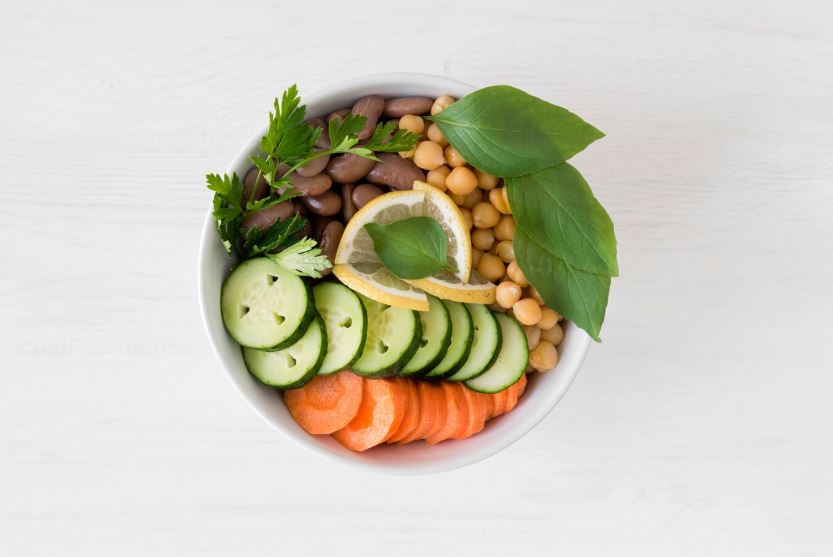
Nutrition counseling helps clients address eating patterns, physical recovery, energy, and health habits that may be affected by substance use, stress, or mental health symptoms. It is often supportive within broader medical or behavioral health care.

Online Therapy
Online therapy allows clients to receive counseling or mental health support through secure video, phone, or digital platforms. It may be useful for outpatient care, continuing support, or people who need flexible access to treatment.

Relapse Prevention Counseling
Relapse prevention counseling helps clients identify triggers, warning signs, high-risk situations, and coping strategies. It is commonly used to support ongoing recovery after detox, residential treatment, PHP, IOP, or outpatient care.

Trauma-Specific Therapy
Trauma-specific therapy focuses directly on the effects of trauma, including triggers, avoidance, emotional distress, and safety. It may be important when trauma history is connected to substance use, anxiety, depression, or other mental health concerns.

Yoga
Yoga combines movement, breathing, and mindfulness practices that may support stress reduction, emotional regulation, sleep, and general wellness. It is best presented as a complementary recovery support rather than a standalone treatment.
Level Of Cares

Outpatient Treatment

Sober Living

Day Treatment / Partial Hospitalization Program (PHP)

Co-Occurring Mental Health Treatment
Conditions

Depression
Depression is a mood condition involving persistent sadness, loss of interest, low energy, hopelessness, or changes in sleep, appetite, and concentration. It may affect daily functioning, relationships, school, work, and safety. Related support may include therapy, counseling, medication management when appropriate, crisis support when needed, outpatient care, intensive outpatient care, or structured mental health treatment.
Substances We Treat

Alcohol
Alcohol use disorder can affect health, relationships, work, safety, and mental health. Treatment may include counseling, behavioral therapies, recovery support, and FDA-approved medications when clinically appropriate.

Co-Occurring Disorders
Co-occurring disorders involve both a substance use disorder and a mental health disorder. Treatment may coordinate addiction care, mental health therapy, medication management, and recovery support so both concerns are addressed together.

Drug Addiction / Substance Use Disorder
Drug addiction, or substance use disorder, involves continued substance use despite harmful consequences. Treatment may include assessment, counseling, behavioral therapies, medications for some substance use disorders, relapse prevention, and recovery support.