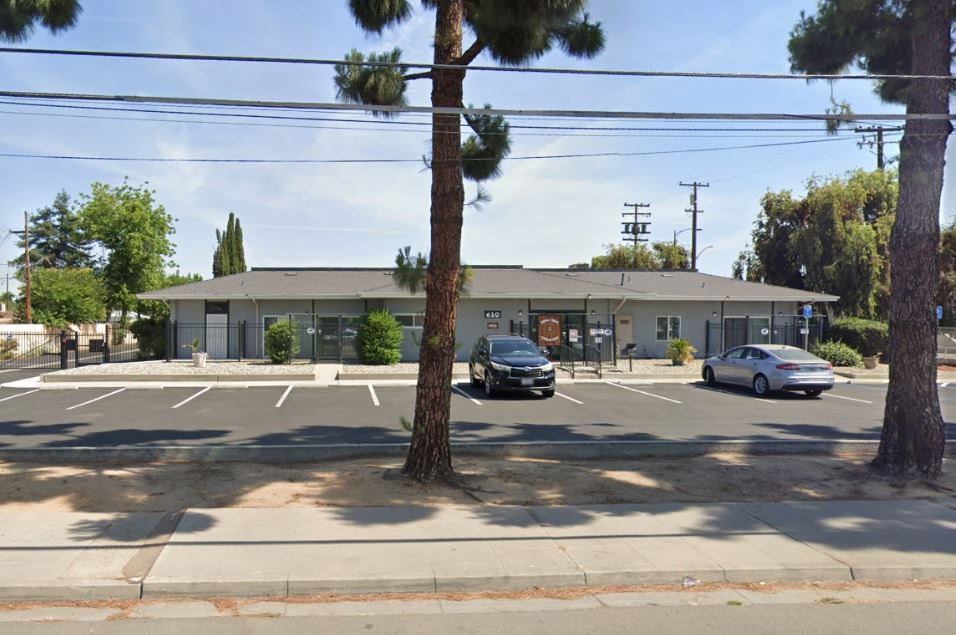
Sierra Tribal Consortium Turtle Lodge Recovery Home
About Sierra Tribal Consortium Turtle Lodge Recovery Home
Who We Treat

Older Adults

Veterans

Young Adults

Men

Women
Treatments

1-on-1 Counseling
One-on-one counseling gives clients private time with a counselor or therapist to discuss substance use, mental health symptoms, goals, triggers, and recovery planning. It is commonly used throughout treatment to create a more personalized care plan.

Cognitive Behavioral Therapy
CBT helps people identify thought and behavior patterns that may contribute to substance use, anxiety, depression, or relapse risk. Programs may use it to build coping skills and practical recovery strategies.

Group Therapy
Group therapy brings clients together in a structured setting to discuss recovery, coping skills, accountability, relationships, and shared challenges. It is commonly used in addiction and mental health treatment at many levels of care.

Life Skills
Life skills programming helps clients build practical routines for daily stability, communication, employment readiness, budgeting, time management, and recovery planning. It is often used in residential, PHP, IOP, sober living, and transitional care.

Motivational Interviewing
MI helps clients explore ambivalence and strengthen their own reasons for change. It is commonly used when someone is uncertain, resistant, or still building readiness for treatment or recovery.

Online Therapy
Online therapy allows clients to receive counseling or mental health support through secure video, phone, or digital platforms. It may be useful for outpatient care, continuing support, or people who need flexible access to treatment.

Relapse Prevention Counseling
Relapse prevention counseling helps clients identify triggers, warning signs, high-risk situations, and coping strategies. It is commonly used to support ongoing recovery after detox, residential treatment, PHP, IOP, or outpatient care.

Trauma-Specific Therapy
Trauma-specific therapy focuses directly on the effects of trauma, including triggers, avoidance, emotional distress, and safety. It may be important when trauma history is connected to substance use, anxiety, depression, or other mental health concerns.

Twelve Step Facilitation
TSF helps clients understand and participate in Twelve Step recovery support. It may be used alongside counseling, medication, relapse prevention, and other treatment services.
Level Of Cares

Outpatient Treatment

Sober Living

Residential Treatment

Co-Occurring Mental Health Treatment
Conditions

Anger
Anger is a normal emotion that becomes a concern when it is intense, frequent, hard to control, or linked with conflict, aggression, unsafe behavior, or relationship problems. Related support may include counseling, CBT, DBT-informed skills, group therapy, family therapy, outpatient care, or structured mental health treatment when anger occurs with trauma, mood concerns, or substance use.

Perinatal Mental Health
Perinatal mental health concerns occur during pregnancy or after childbirth and may include depression, anxiety, mood changes, intrusive thoughts, or bonding difficulties. They can affect sleep, energy, relationships, caregiving, and daily functioning. Related support may include therapy, counseling, medication management when appropriate, family support, outpatient care, intensive outpatient care, or higher levels of care when safety or functioning is affected.
Substances We Treat

Alcohol
Alcohol use disorder can affect health, relationships, work, safety, and mental health. Treatment may include counseling, behavioral therapies, recovery support, and FDA-approved medications when clinically appropriate.

Benzodiazepines
Benzodiazepines are prescription sedatives sometimes used for anxiety, sleep, or seizure-related conditions. Treatment may involve careful assessment, medical supervision, and support for dependence or withdrawal risk, especially when other substances are involved.

Co-Occurring Disorders
Co-occurring disorders involve both a substance use disorder and a mental health disorder. Treatment may coordinate addiction care, mental health therapy, medication management, and recovery support so both concerns are addressed together.

Cocaine
Cocaine is a stimulant that can affect the brain, heart, mood, sleep, and decision-making. Treatment commonly focuses on behavioral therapy, relapse prevention, coping skills, and support for cravings or co-occurring mental health symptoms.

Heroin
Heroin is an opioid with a high risk of dependence, withdrawal, and overdose. Treatment often includes medications for opioid use disorder, counseling, harm-reduction education, relapse prevention, and ongoing recovery support.

Methamphetamine
Methamphetamine is a powerful stimulant that can affect sleep, mood, thinking, heart health, and behavior. Treatment commonly focuses on behavioral therapies, contingency management where available, relapse prevention, recovery support, and co-occurring mental health care.

Opioids
Opioids include heroin, fentanyl, and prescription pain medications such as oxycodone or hydrocodone. Treatment for opioid use disorder may include FDA-approved medications such as buprenorphine, methadone, or naltrexone, along with counseling and recovery support.

Prescription Drugs
Prescription drug misuse may involve opioids, benzodiazepines, stimulants, or other medications used differently than prescribed. Treatment may include medical assessment, withdrawal support when needed, counseling, medication management, and relapse prevention planning.
Synthetic Drugs / New Psychoactive Substances
Synthetic drugs can include lab-made cannabinoids, stimulants, opioids, or hallucinogens with unpredictable strength and effects. Treatment may focus on medical stabilization, substance use counseling, relapse prevention, and mental health support when symptoms are severe or persistent.

Drug Addiction / Substance Use Disorder
Drug addiction, or substance use disorder, involves continued substance use despite harmful consequences. Treatment may include assessment, counseling, behavioral therapies, medications for some substance use disorders, relapse prevention, and recovery support.