
Structure House
About Structure House


Amenities

Pool
A pool may support recreation, light exercise, relaxation, or wellness activities during treatment. Users should confirm supervision, schedule, accessibility, and safety rules.

Spa
Spa services may include comfort or wellness-focused options such as massage, skincare, or relaxation services. These should be viewed as amenities, not primary clinical treatment.

Access to Nature
Centers with access to nature may offer outdoor areas, natural surroundings, or nearby green spaces that support reflection, movement, and a calmer treatment environment.
Fitness Center
A fitness center may support exercise, routine, stress reduction, and overall wellness during treatment. Users should confirm available equipment, supervision, and any medical restrictions.

Gourmet Dining
Gourmet dining usually refers to upgraded meal quality or dining experience. Users should still confirm whether the center can accommodate medical, cultural, allergy, or dietary needs.

Chef-prepared Meals
Chef-prepared meals may support nutrition, comfort, and daily routine during residential treatment. Users should ask about dietary accommodations, allergies, and nutrition support if needed.

Walking Trails
Walking trails may support gentle movement, reflection, stress reduction, and time outdoors during treatment. Users should confirm accessibility, supervision, and trail location.

Gardens
Gardens can provide quiet outdoor space for reflection, relaxation, mindfulness, or light activity. This amenity may be especially useful in residential or longer-stay programs.

Outdoor Lounge
An outdoor lounge provides a designated area for rest, conversation, or supervised downtime outside. Users should confirm access rules and whether it is available year-round.

TV
TV access may be available in rooms or shared areas, depending on the program’s schedule and technology policy. Some centers limit entertainment access during treatment.

Air-Conditioned Rooms
Air-conditioned rooms help support comfort during residential or longer-stay treatment, especially in warm climates or facilities where temperature control affects sleep and daily routine.

Laundry Service
Laundry service can support comfort and daily routine during residential or longer-stay care. Users should confirm whether laundry is self-service, staff-supported, included, or charged separately.

Private or Shared Rooms
Facilities may offer private rooms, shared rooms, or both. Room type can affect privacy, cost, comfort, and availability, so users should confirm options before admission.

Wellness Center
A wellness center may include fitness, relaxation, nutrition, mindfulness, or complementary wellness services. Users should confirm what services are included and whether licensed professionals provide them.
Who We Treat

Men and Women

Men

Women
Treatments

1-on-1 Counseling
One-on-one counseling gives clients private time with a counselor or therapist to discuss substance use, mental health symptoms, goals, triggers, and recovery planning. It is commonly used throughout treatment to create a more personalized care plan.

Cognitive Behavioral Therapy
CBT helps people identify thought and behavior patterns that may contribute to substance use, anxiety, depression, or relapse risk. Programs may use it to build coping skills and practical recovery strategies.

Group Therapy
Group therapy brings clients together in a structured setting to discuss recovery, coping skills, accountability, relationships, and shared challenges. It is commonly used in addiction and mental health treatment at many levels of care.

Meditation & Mindfulness
Meditation and mindfulness practices help clients build present-moment awareness, manage stress, and respond to cravings or emotions with more intention. They are usually supportive practices used alongside clinical treatment.

Mindfulness-Based Cognitive Therapy
MBCT combines mindfulness practices with cognitive therapy skills. It may help clients recognize negative thought patterns, reduce emotional reactivity, and support recovery from depression, anxiety, or relapse risk.

Motivational Interviewing
MI helps clients explore ambivalence and strengthen their own reasons for change. It is commonly used when someone is uncertain, resistant, or still building readiness for treatment or recovery.
Nutrition Counseling
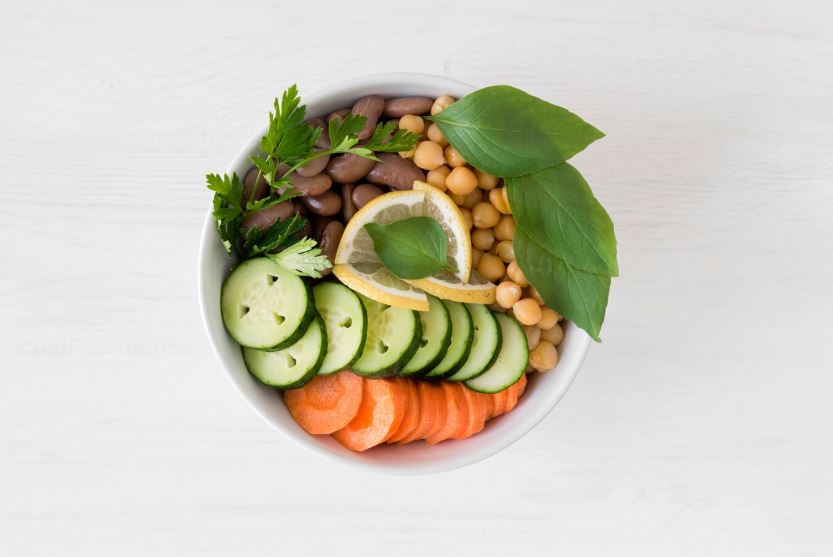
Nutrition counseling helps clients address eating patterns, physical recovery, energy, and health habits that may be affected by substance use, stress, or mental health symptoms. It is often supportive within broader medical or behavioral health care.

Weight Loss
Weight loss services may include nutrition, movement, coaching, or medical support for physical health goals. In a treatment directory, this should be treated as a wellness or health-support service, not as a primary addiction or mental health treatment.

Yoga
Yoga combines movement, breathing, and mindfulness practices that may support stress reduction, emotional regulation, sleep, and general wellness. It is best presented as a complementary recovery support rather than a standalone treatment.
Level Of Cares
Residential Treatment

Co-Occurring Disorder Treatment
Conditions

Anxiety
Anxiety involves excessive worry, fear, nervousness, or physical tension that can affect sleep, concentration, relationships, work, school, and daily responsibilities. Related support may include therapy, counseling, medication management when appropriate, outpatient care, intensive outpatient care, or structured mental health treatment depending on symptoms and needs.

Depression
Depression is a mood condition involving persistent sadness, loss of interest, low energy, hopelessness, or changes in sleep, appetite, and concentration. It may affect daily functioning, relationships, school, work, and safety. Related support may include therapy, counseling, medication management when appropriate, crisis support when needed, outpatient care, intensive outpatient care, or structured mental health treatment.

Eating Disorders
Eating disorders involve disturbances in eating behavior, body image, weight concerns, or food-related thoughts and behaviors. They can affect physical health, mood, concentration, relationships, and daily functioning. Related support may include therapy, nutrition support, medical monitoring, family therapy, outpatient care, intensive outpatient care, day treatment, residential treatment, or inpatient care depending on severity.
Substances We Treat

Co-Occurring Disorders
Co-occurring disorders involve both a substance use disorder and a mental health disorder. Treatment may coordinate addiction care, mental health therapy, medication management, and recovery support so both concerns are addressed together.