
Union of Pan Asian Communities (UPAC)
About Union of Pan Asian Communities (UPAC)

Insurances
Amenities

Recreation Room
A recreation room may provide space for games, social activities, relaxation, or structured downtime. It can support routine and peer connection outside clinical sessions.
Who We Treat

Adolescents

Boys

Children

Girls

Young Adults

Men

Women
Treatments

1-on-1 Counseling
One-on-one counseling gives clients private time with a counselor or therapist to discuss substance use, mental health symptoms, goals, triggers, and recovery planning. It is commonly used throughout treatment to create a more personalized care plan.

Art Therapy
Art therapy uses creative activities to help clients express emotions, process experiences, and explore thoughts that may be difficult to discuss directly. It is often used as a supportive approach in mental health, trauma, and substance use treatment settings.

Cognitive Behavioral Therapy
CBT helps people identify thought and behavior patterns that may contribute to substance use, anxiety, depression, or relapse risk. Programs may use it to build coping skills and practical recovery strategies.

Couples Counseling
Couples counseling helps partners address communication, trust, boundaries, conflict, and the effect of substance use or mental health symptoms on the relationship. It may be used when recovery involves relationship repair or partner support.

Family Therapy
Family therapy helps clients and loved ones address communication, boundaries, conflict, support systems, and the impact of substance use or mental health concerns on the household. It is an important treatment option when recovery involves family relationships.

Group Therapy
Group therapy brings clients together in a structured setting to discuss recovery, coping skills, accountability, relationships, and shared challenges. It is commonly used in addiction and mental health treatment at many levels of care.

Life Skills
Life skills programming helps clients build practical routines for daily stability, communication, employment readiness, budgeting, time management, and recovery planning. It is often used in residential, PHP, IOP, sober living, and transitional care.

Medication-Assisted Treatment
MAT uses approved medications with counseling or recovery support when clinically appropriate. It is especially important for opioid use disorder and may also be used for alcohol use disorder.

Motivational Interviewing
MI helps clients explore ambivalence and strengthen their own reasons for change. It is commonly used when someone is uncertain, resistant, or still building readiness for treatment or recovery.
Online Therapy
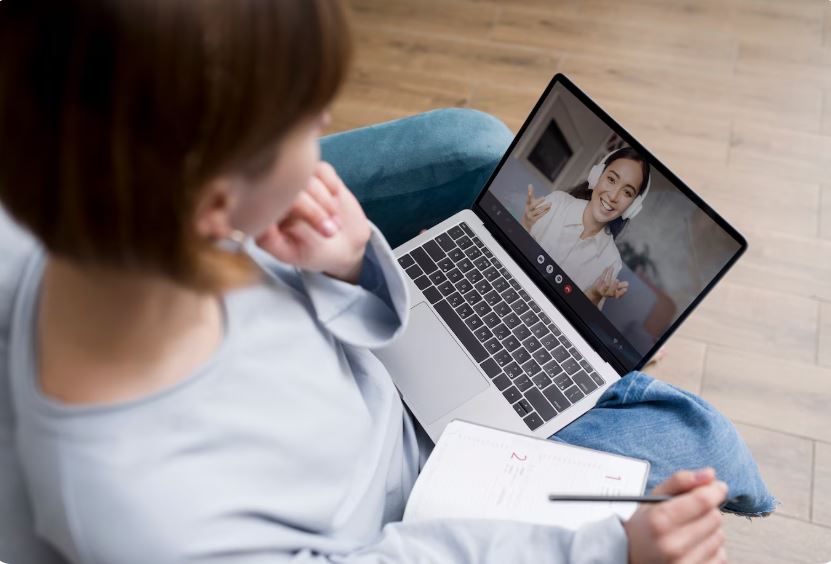
Online therapy allows clients to receive counseling or mental health support through secure video, phone, or digital platforms. It may be useful for outpatient care, continuing support, or people who need flexible access to treatment.
Play Therapy
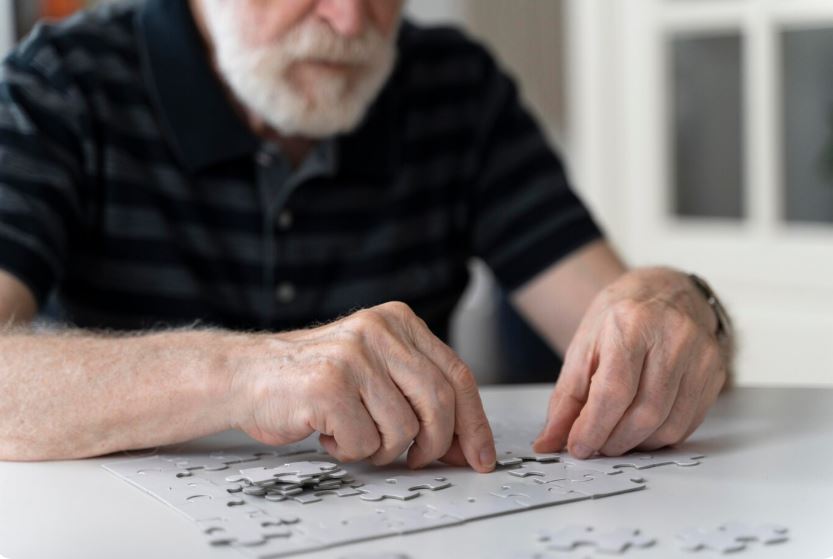
Play therapy uses structured play to help children express feelings, process experiences, and develop coping skills. It is most relevant for programs serving children, adolescents, or families.
Conditions

Anger
Anger is a normal emotion that becomes a concern when it is intense, frequent, hard to control, or linked with conflict, aggression, unsafe behavior, or relationship problems. Related support may include counseling, CBT, DBT-informed skills, group therapy, family therapy, outpatient care, or structured mental health treatment when anger occurs with trauma, mood concerns, or substance use.

Anxiety
Anxiety involves excessive worry, fear, nervousness, or physical tension that can affect sleep, concentration, relationships, work, school, and daily responsibilities. Related support may include therapy, counseling, medication management when appropriate, outpatient care, intensive outpatient care, or structured mental health treatment depending on symptoms and needs.
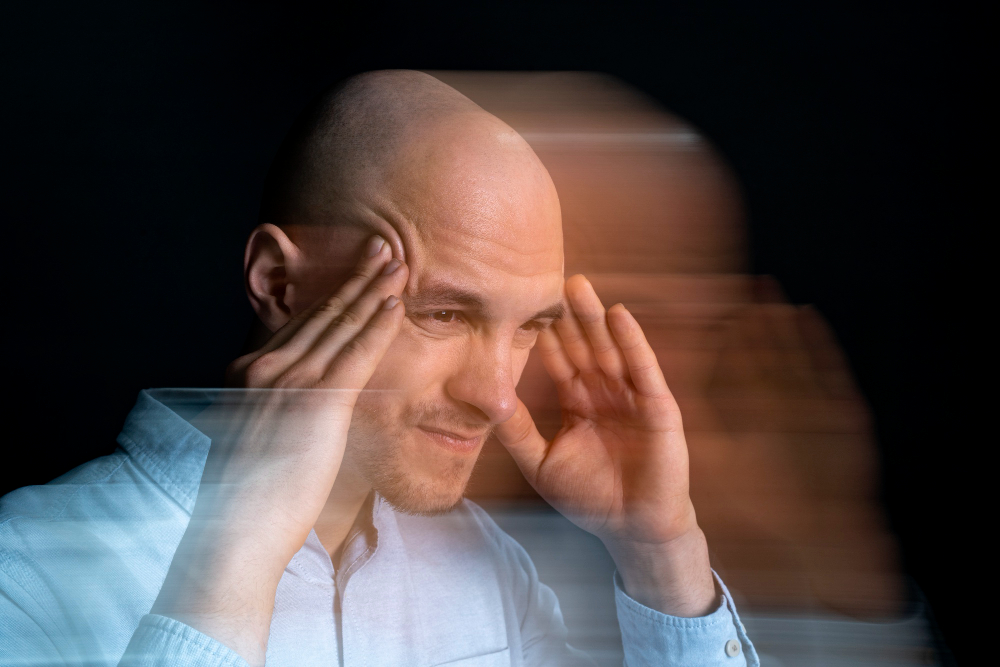
Bipolar
Bipolar disorder is a mood disorder involving episodes of elevated or irritable mood and increased energy, along with episodes of depression. It may affect sleep, judgment, activity level, relationships, work, school, and safety. Related support may include psychiatric care, medication management, therapy, outpatient care, intensive outpatient care, day treatment, residential treatment, or inpatient stabilization when needed.

Depression
Depression is a mood condition involving persistent sadness, loss of interest, low energy, hopelessness, or changes in sleep, appetite, and concentration. It may affect daily functioning, relationships, school, work, and safety. Related support may include therapy, counseling, medication management when appropriate, crisis support when needed, outpatient care, intensive outpatient care, or structured mental health treatment.
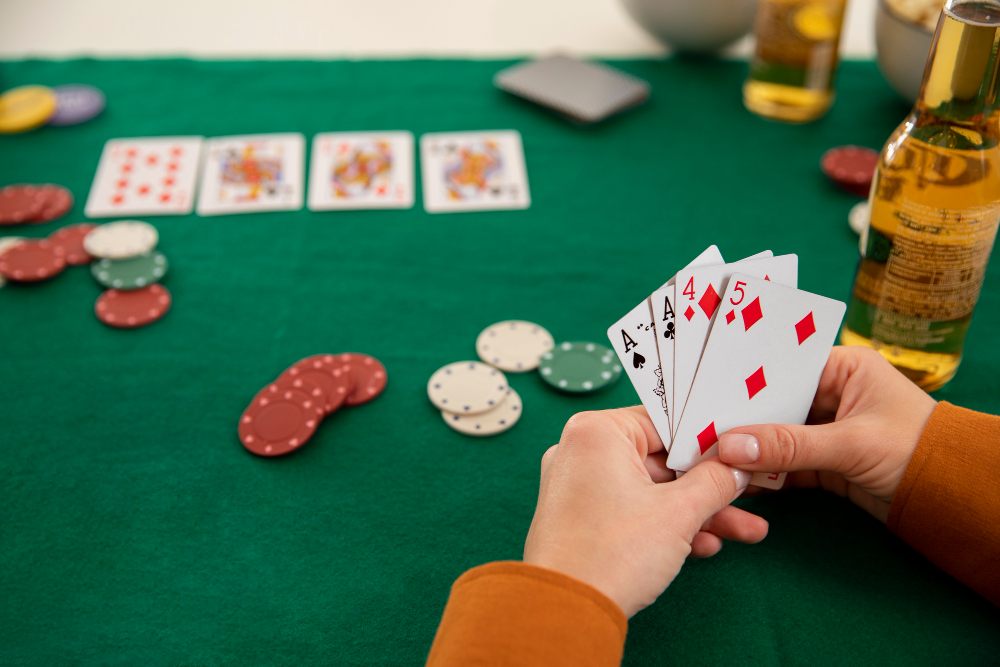
Gambling
Gambling disorder involves repeated betting or wagering that continues despite financial, relationship, work, or emotional consequences. It may affect debt, trust, employment, legal issues, and family stability. Related support may include therapy, CBT, motivational interviewing, group support, outpatient care, intensive outpatient care, or residential care when gambling occurs with substance use or other mental health concerns.
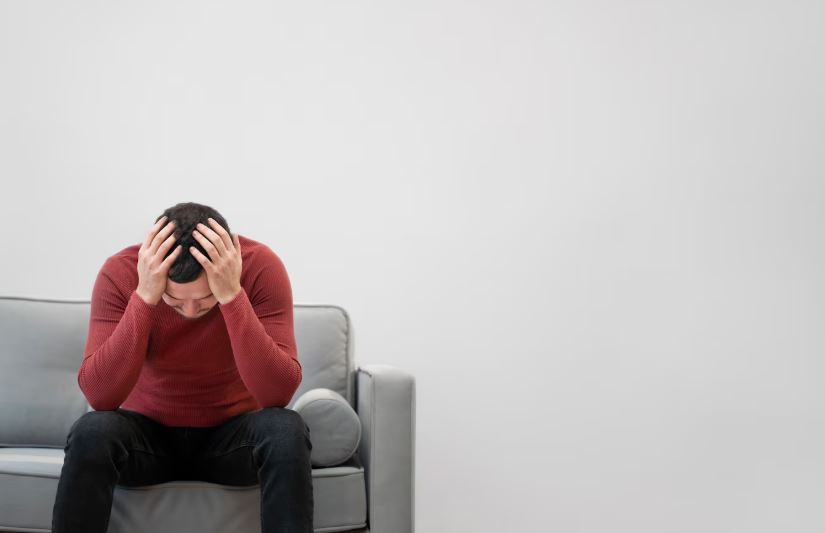
Post-Traumatic Stress Disorder (PTSD)
PTSD is a trauma-related condition that may involve intrusive memories, nightmares, avoidance, mood changes, sleep problems, and feeling constantly on edge. It can affect relationships, work, school, safety, and daily routines. Related support may include trauma-focused therapy, EMDR, counseling, medication management when appropriate, and structured mental health or co-occurring treatment.
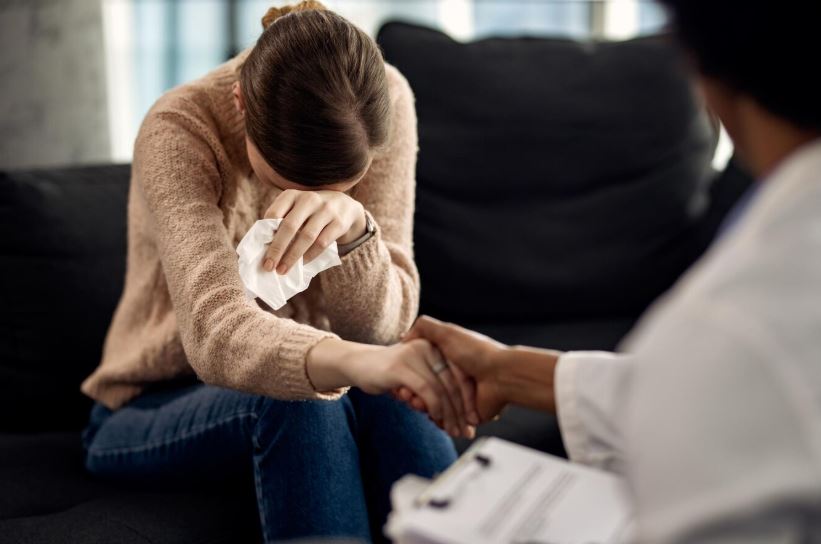
Trauma
Trauma refers to emotional or psychological distress after a harmful, frightening, or overwhelming experience. It may affect mood, sleep, trust, relationships, physical comfort, and a person’s sense of safety. Related support may include trauma-informed therapy, counseling, EMDR, outpatient care, intensive outpatient care, residential treatment, or co-occurring substance use support when relevant.
Substances We Treat
Alcohol
Alcohol use disorder can affect health, relationships, work, safety, and mental health. Treatment may include counseling, behavioral therapies, recovery support, and FDA-approved medications when clinically appropriate.