Bliss Recovery Los Angeles
About Bliss Recovery Los Angeles


Insurances

Aetna

Anthem
BlueCross BlueShield
Carelon Behavioral Health
Cigna
First Health

GEHA
HealthPartners

Highmark

MultiPlan

Optum

United Healthcare
Magellan Health
Amenities

Allow Cell Phones
Some centers allow cell phones during treatment, while others limit phone use during certain phases of care. Users should confirm the facility’s phone policy before admission.

Excursions
Excursions may include supervised off-site activities for recreation, wellness, or experiential programming. Users should confirm how often they occur and whether they are part of the treatment schedule.

Internet Access
Internet access may help clients communicate with family, manage work obligations, or use approved digital resources. Some programs limit internet use during treatment.

Luxury
Luxury facilities may offer upgraded accommodations, privacy, dining, wellness services, or hospitality-style amenities. Users should still compare clinical services, licensing, staff credentials, and treatment fit.
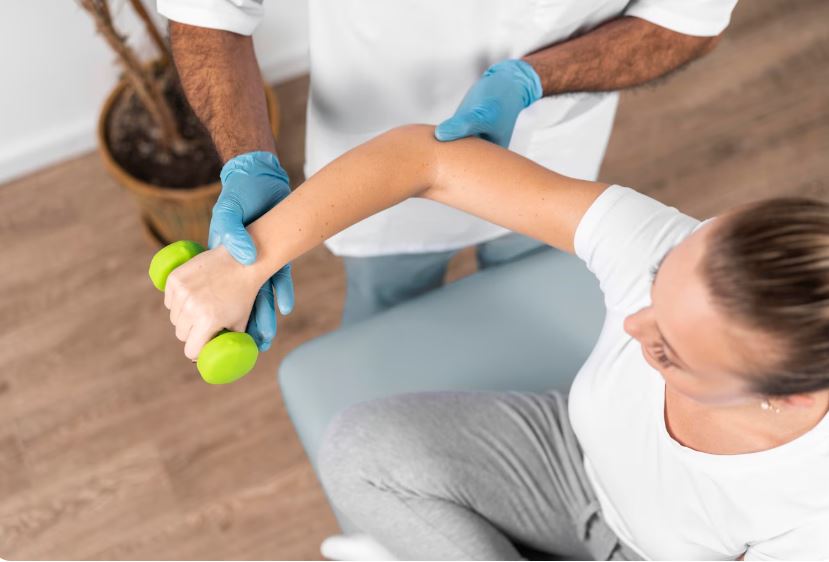
Physical Therapy Center
A physical therapy center may support clients with mobility needs, pain concerns, injury recovery, or physical rehabilitation. Users should confirm whether licensed physical therapy services are available.

Pool
A pool may support recreation, light exercise, relaxation, or wellness activities during treatment. Users should confirm supervision, schedule, accessibility, and safety rules.

Private Rooms
Private rooms provide a more private residential setting for rest, reflection, and personal space. Availability, pricing, and eligibility may vary by facility and program.

Spa
Spa services may include comfort or wellness-focused options such as massage, skincare, or relaxation services. These should be viewed as amenities, not primary clinical treatment.

Access to Nature
Centers with access to nature may offer outdoor areas, natural surroundings, or nearby green spaces that support reflection, movement, and a calmer treatment environment.

Fitness Center
A fitness center may support exercise, routine, stress reduction, and overall wellness during treatment. Users should confirm available equipment, supervision, and any medical restrictions.

Gourmet Dining
Gourmet dining usually refers to upgraded meal quality or dining experience. Users should still confirm whether the center can accommodate medical, cultural, allergy, or dietary needs.

Hot Tub
A hot tub may be offered as a comfort or relaxation amenity. Users should ask about access rules, safety policies, and whether use is restricted for medical reasons.

Chef-prepared Meals
Chef-prepared meals may support nutrition, comfort, and daily routine during residential treatment. Users should ask about dietary accommodations, allergies, and nutrition support if needed.

Outdoor Dining
Outdoor dining may offer a more relaxed meal setting and access to fresh air during treatment. Availability may depend on weather, facility layout, and program schedule.

Theater
A theater or media room may provide structured recreation, educational viewing, or group downtime. It is usually a comfort feature rather than a treatment service.

Recreation Room
A recreation room may provide space for games, social activities, relaxation, or structured downtime. It can support routine and peer connection outside clinical sessions.

Walking Trails
Walking trails may support gentle movement, reflection, stress reduction, and time outdoors during treatment. Users should confirm accessibility, supervision, and trail location.

Airport Transfers
Airport transfer services may help clients travel from a nearby airport to the treatment center. Availability, cost, scheduling, and distance should be confirmed directly with the facility.

Gardens
Gardens can provide quiet outdoor space for reflection, relaxation, mindfulness, or light activity. This amenity may be especially useful in residential or longer-stay programs.

Outdoor Lounge
An outdoor lounge provides a designated area for rest, conversation, or supervised downtime outside. Users should confirm access rules and whether it is available year-round.
TV
TV access may be available in rooms or shared areas, depending on the program’s schedule and technology policy. Some centers limit entertainment access during treatment.

Transportation Assistance
Transportation assistance may help clients get to appointments, admissions, airports, or local services. Users should confirm what transportation is included and whether fees apply.

Air-Conditioned Rooms
Air-conditioned rooms help support comfort during residential or longer-stay treatment, especially in warm climates or facilities where temperature control affects sleep and daily routine.

Laundry Service
Laundry service can support comfort and daily routine during residential or longer-stay care. Users should confirm whether laundry is self-service, staff-supported, included, or charged separately.

Outdoor Space
Outdoor space may include patios, courtyards, lawns, or open-air areas that support movement, reflection, and breaks from indoor programming.

Personal Chef
A personal chef may indicate highly individualized meal planning or premium dining support. Users should verify whether this includes dietary accommodations, nutrition planning, or luxury hospitality only.

Beach Access
Beach access may offer a calming outdoor setting for reflection, walking, recreation, or wellness activities. Users should confirm whether beach access is supervised, nearby, or on-site.

Jacuzzi
A Jacuzzi is similar to a hot tub and should usually be grouped with that amenity. Availability, access rules, and safety restrictions should be confirmed with the facility.

Ocean View
Ocean-view settings may provide a calming environment and support a more restorative residential experience. Users should confirm whether views are from rooms, common areas, or nearby property.
Accreditations
Joint Commission
Highlights

1-on-1 Counseling

Customized Treatment Plans

Therapeutic Location

Private Rooms Only
Who We Treat

Couples

Executives

LGBTQ+

Older Adults

Professionals
Veterans

Young Adults

Midlife Adults

Men and Women

Men

Women

Mild Disabilities
Treatments

1-on-1 Counseling
One-on-one counseling gives clients private time with a counselor or therapist to discuss substance use, mental health symptoms, goals, triggers, and recovery planning. It is commonly used throughout treatment to create a more personalized care plan.
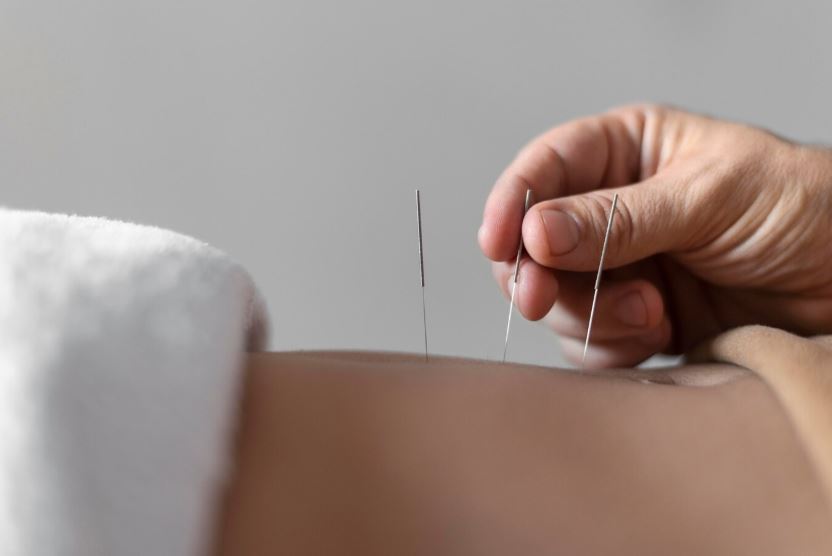
Acupuncture
Acupuncture is a complementary therapy that involves stimulating specific points on the body. Some programs may use it as supportive care for stress, discomfort, cravings, or relaxation, but it should not be presented as a replacement for clinical addiction or mental health treatment.

Attachment-Based Family Therapy
Attachment-based family therapy focuses on repairing trust, communication, and emotional connection within families. It may be used when family conflict, disconnection, or early attachment experiences are affecting mental health or recovery.
Body Image Therapy
Body image therapy helps clients address negative beliefs, distress, or behaviors related to appearance and self-worth. It may be relevant for people with eating concerns, trauma history, depression, anxiety, or co-occurring mental health needs.

Cognitive Behavioral Therapy
CBT helps people identify thought and behavior patterns that may contribute to substance use, anxiety, depression, or relapse risk. Programs may use it to build coping skills and practical recovery strategies.

Couples Counseling
Couples counseling helps partners address communication, trust, boundaries, conflict, and the effect of substance use or mental health symptoms on the relationship. It may be used when recovery involves relationship repair or partner support.

Dialectical Behavior Therapy
DBT teaches skills for emotion regulation, distress tolerance, mindfulness, and communication. It may support people with intense emotions, trauma symptoms, self-destructive patterns, or co-occurring mental health concerns.

Eye Movement Therapy (EMDR)
EMDR is a structured therapy often used for trauma-related symptoms and distressing memories. In treatment settings, it may support clients whose substance use or mental health symptoms are connected to traumatic experiences.

Family Therapy
Family therapy helps clients and loved ones address communication, boundaries, conflict, support systems, and the impact of substance use or mental health concerns on the household. It is an important treatment option when recovery involves family relationships.

Group Therapy
Group therapy brings clients together in a structured setting to discuss recovery, coping skills, accountability, relationships, and shared challenges. It is commonly used in addiction and mental health treatment at many levels of care.

Interpersonal Therapy
Interpersonal therapy focuses on relationships, role transitions, grief, communication, and social support. It may help clients whose depression, anxiety, substance use, or emotional distress is connected to relationship stress.

Life Skills
Life skills programming helps clients build practical routines for daily stability, communication, employment readiness, budgeting, time management, and recovery planning. It is often used in residential, PHP, IOP, sober living, and transitional care.

Massage Therapy
Massage therapy is a complementary service that may support relaxation, stress reduction, body awareness, or general wellness. It should be presented as supportive care, not as a replacement for counseling, medication, or clinical treatment.

Medication-Assisted Treatment
MAT uses approved medications with counseling or recovery support when clinically appropriate. It is especially important for opioid use disorder and may also be used for alcohol use disorder.

Meditation & Mindfulness
Meditation and mindfulness practices help clients build present-moment awareness, manage stress, and respond to cravings or emotions with more intention. They are usually supportive practices used alongside clinical treatment.

Mindfulness Therapy
Mindfulness therapy uses attention, breathing, and awareness practices to help clients notice thoughts, cravings, and emotions without reacting automatically. It may support anxiety, depression, stress, trauma symptoms, and relapse prevention.

Motivational Interviewing
MI helps clients explore ambivalence and strengthen their own reasons for change. It is commonly used when someone is uncertain, resistant, or still building readiness for treatment or recovery.

Neurofeedback
Neurofeedback uses real-time feedback about brain activity to help clients practice self-regulation. It may be offered for attention, stress, trauma symptoms, or emotional regulation, but users should ask how it is supervised and what evidence supports its use for their concern.

Nutrition Counseling
Nutrition counseling helps clients address eating patterns, physical recovery, energy, and health habits that may be affected by substance use, stress, or mental health symptoms. It is often supportive within broader medical or behavioral health care.

Rational Emotive Behavior Therapy
REBT helps clients identify rigid or harmful beliefs and replace them with more balanced thinking. It may support emotional regulation, behavior change, and coping with substance use or mental health symptoms.

Reiki
Reiki is a complementary energy-based practice sometimes used for relaxation or stress support. It should be described as a wellness option only and not as a clinical treatment for addiction, trauma, or mental health disorders.

Relapse Prevention Counseling
Relapse prevention counseling helps clients identify triggers, warning signs, high-risk situations, and coping strategies. It is commonly used to support ongoing recovery after detox, residential treatment, PHP, IOP, or outpatient care.
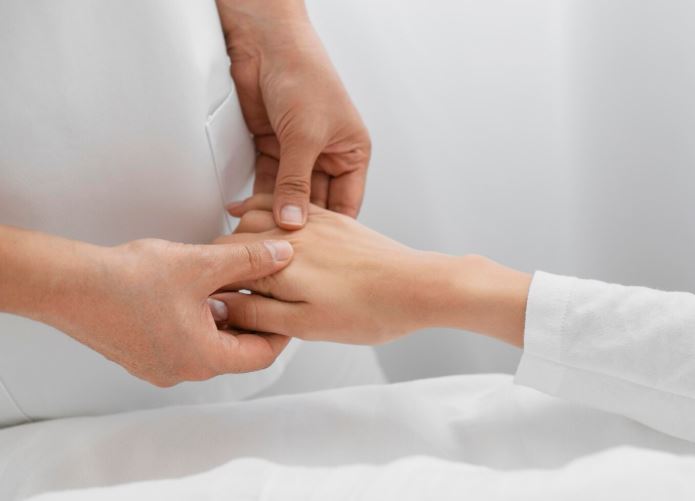
Relaxation Therapy
Relaxation therapy uses breathing, guided imagery, muscle relaxation, or calming exercises to reduce stress and physical tension. It may support anxiety management, sleep routines, cravings, and emotional regulation.

Sound Therapy
Sound therapy uses music, tones, vibration, or guided listening experiences to support relaxation and emotional regulation. It should be listed as a complementary wellness service, not as a primary treatment for addiction or mental health disorders.

Trauma-Specific Therapy
Trauma-specific therapy focuses directly on the effects of trauma, including triggers, avoidance, emotional distress, and safety. It may be important when trauma history is connected to substance use, anxiety, depression, or other mental health concerns.

Yoga
Yoga combines movement, breathing, and mindfulness practices that may support stress reduction, emotional regulation, sleep, and general wellness. It is best presented as a complementary recovery support rather than a standalone treatment.

Psychoeducation
Psychoeducation helps clients understand addiction, mental health symptoms, medications, coping skills, relapse warning signs, and treatment expectations. It is commonly used across many levels of care to support informed participation in treatment.

Twelve Step Facilitation
TSF helps clients understand and participate in Twelve Step recovery support. It may be used alongside counseling, medication, relapse prevention, and other treatment services.

Introduction to the 12 Step Program
An introduction to the Twelve Step model helps clients understand peer-support programs, meetings, sponsorship, accountability, and recovery principles. It may be offered as one part of a broader treatment plan, especially in addiction recovery programs.

Seeking Safety
Seeking Safety is a structured counseling model designed for people with trauma and substance use concerns. It focuses on coping skills, safety, grounding, boundaries, and stabilization rather than detailed trauma exposure work.

Solution-Focused, Goal-Oriented Therapy
Solution-focused therapy helps clients identify strengths, set practical goals, and build on what is already working. It may be useful for clients who need short-term, structured support around recovery, relationships, or life stability.

Stress Management
Stress management teaches clients practical tools to reduce emotional and physical stress, including breathing, planning, coping skills, sleep routines, and boundary-setting. It is often used to support relapse prevention and mental health stability.
Conditions

Anxiety
Anxiety involves excessive worry, fear, nervousness, or physical tension that can affect sleep, concentration, relationships, work, school, and daily responsibilities. Related support may include therapy, counseling, medication management when appropriate, outpatient care, intensive outpatient care, or structured mental health treatment depending on symptoms and needs.
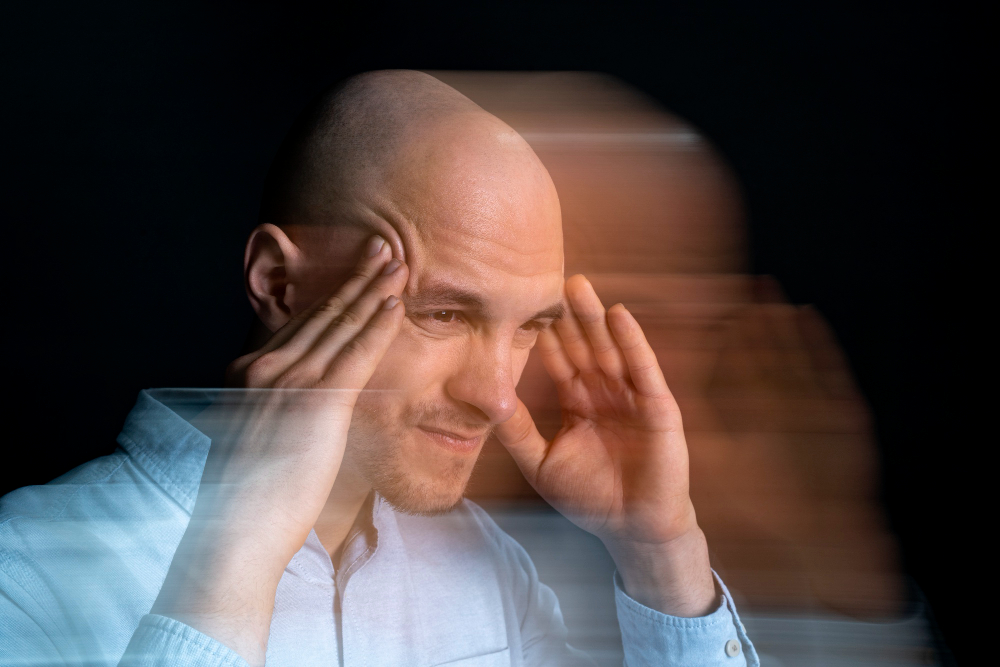
Bipolar
Bipolar disorder is a mood disorder involving episodes of elevated or irritable mood and increased energy, along with episodes of depression. It may affect sleep, judgment, activity level, relationships, work, school, and safety. Related support may include psychiatric care, medication management, therapy, outpatient care, intensive outpatient care, day treatment, residential treatment, or inpatient stabilization when needed.

Depression
Depression is a mood condition involving persistent sadness, loss of interest, low energy, hopelessness, or changes in sleep, appetite, and concentration. It may affect daily functioning, relationships, school, work, and safety. Related support may include therapy, counseling, medication management when appropriate, crisis support when needed, outpatient care, intensive outpatient care, or structured mental health treatment.
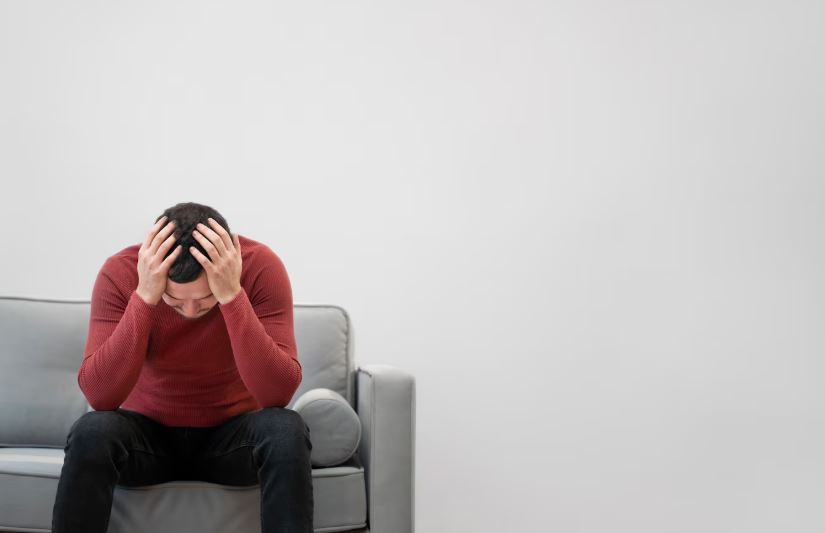
Post-Traumatic Stress Disorder (PTSD)
PTSD is a trauma-related condition that may involve intrusive memories, nightmares, avoidance, mood changes, sleep problems, and feeling constantly on edge. It can affect relationships, work, school, safety, and daily routines. Related support may include trauma-focused therapy, EMDR, counseling, medication management when appropriate, and structured mental health or co-occurring treatment.
Substances We Treat

Alcohol
Alcohol use disorder can affect health, relationships, work, safety, and mental health. Treatment may include counseling, behavioral therapies, recovery support, and FDA-approved medications when clinically appropriate.

Benzodiazepines
Benzodiazepines are prescription sedatives sometimes used for anxiety, sleep, or seizure-related conditions. Treatment may involve careful assessment, medical supervision, and support for dependence or withdrawal risk, especially when other substances are involved.

Co-Occurring Disorders
Co-occurring disorders involve both a substance use disorder and a mental health disorder. Treatment may coordinate addiction care, mental health therapy, medication management, and recovery support so both concerns are addressed together.
Cocaine
Cocaine is a stimulant that can affect the brain, heart, mood, sleep, and decision-making. Treatment commonly focuses on behavioral therapy, relapse prevention, coping skills, and support for cravings or co-occurring mental health symptoms.

Ecstasy / MDMA
MDMA, often called ecstasy or molly, is a psychoactive stimulant and hallucinogen. Treatment may address mood changes, sleep problems, cravings, risky use patterns, and co-occurring mental health concerns.

Heroin
Heroin is an opioid with a high risk of dependence, withdrawal, and overdose. Treatment often includes medications for opioid use disorder, counseling, harm-reduction education, relapse prevention, and ongoing recovery support.

Cannabis / Marijuana
Cannabis use can become problematic for some people, especially when it affects school, work, mood, motivation, relationships, or daily functioning. Treatment may include counseling, behavioral therapy, coping skills, and support for withdrawal symptoms or co-occurring mental health concerns.

Methamphetamine
Methamphetamine is a powerful stimulant that can affect sleep, mood, thinking, heart health, and behavior. Treatment commonly focuses on behavioral therapies, contingency management where available, relapse prevention, recovery support, and co-occurring mental health care.

Opioids
Opioids include heroin, fentanyl, and prescription pain medications such as oxycodone or hydrocodone. Treatment for opioid use disorder may include FDA-approved medications such as buprenorphine, methadone, or naltrexone, along with counseling and recovery support.

Prescription Drugs
Prescription drug misuse may involve opioids, benzodiazepines, stimulants, or other medications used differently than prescribed. Treatment may include medical assessment, withdrawal support when needed, counseling, medication management, and relapse prevention planning.

Chronic Relapse
Chronic relapse refers to repeated returns to substance use after periods of recovery or treatment. Programs may focus on relapse prevention, triggers, co-occurring mental health needs, medication support, recovery planning, and long-term accountability.

Drug Addiction / Substance Use Disorder
Drug addiction, or substance use disorder, involves continued substance use despite harmful consequences. Treatment may include assessment, counseling, behavioral therapies, medications for some substance use disorders, relapse prevention, and recovery support.